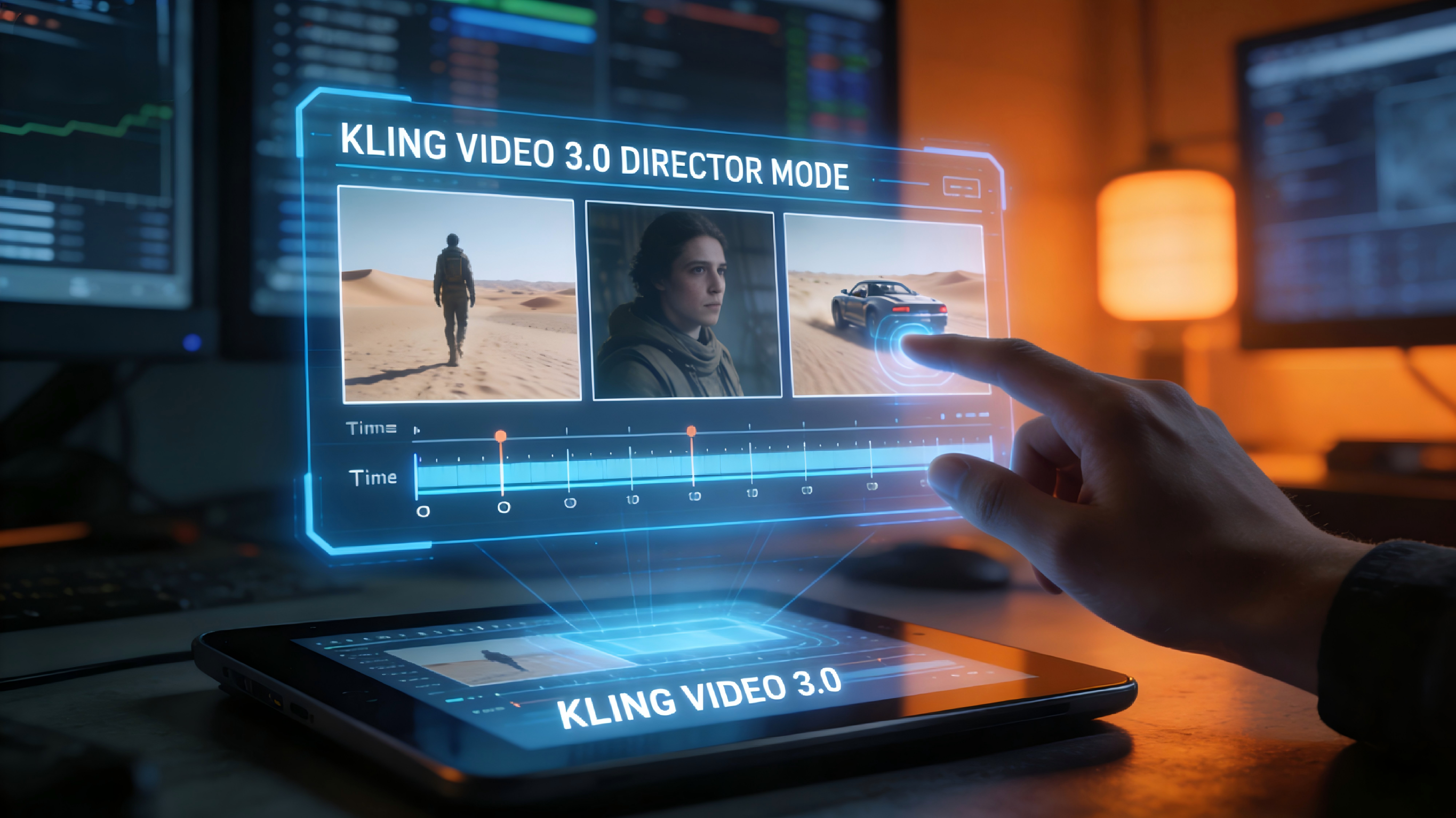
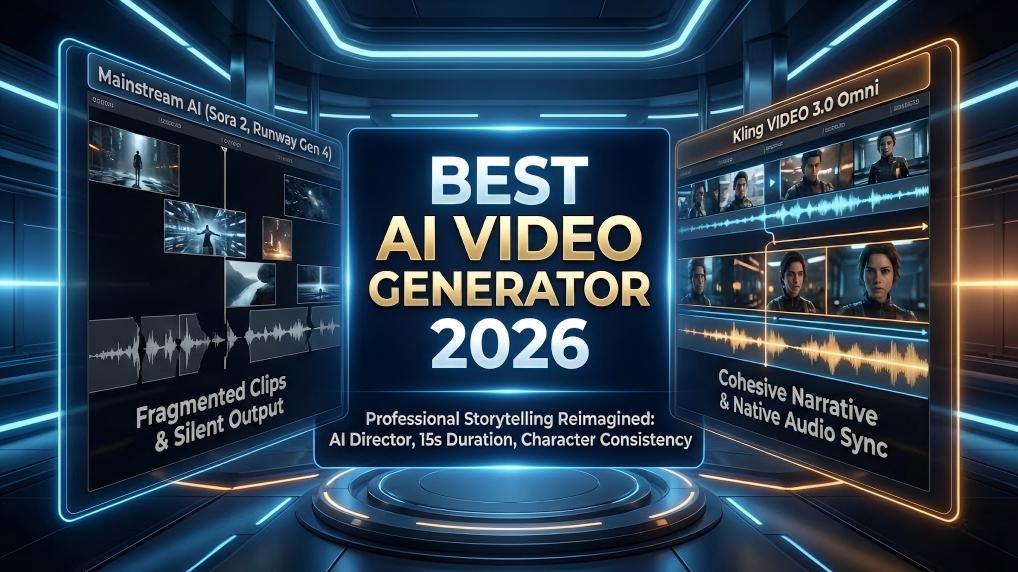
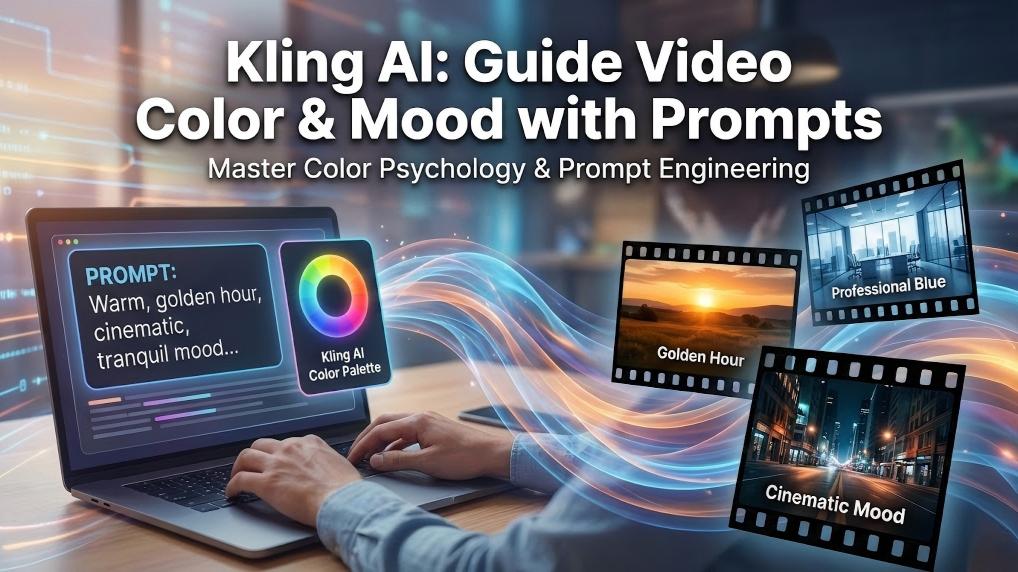
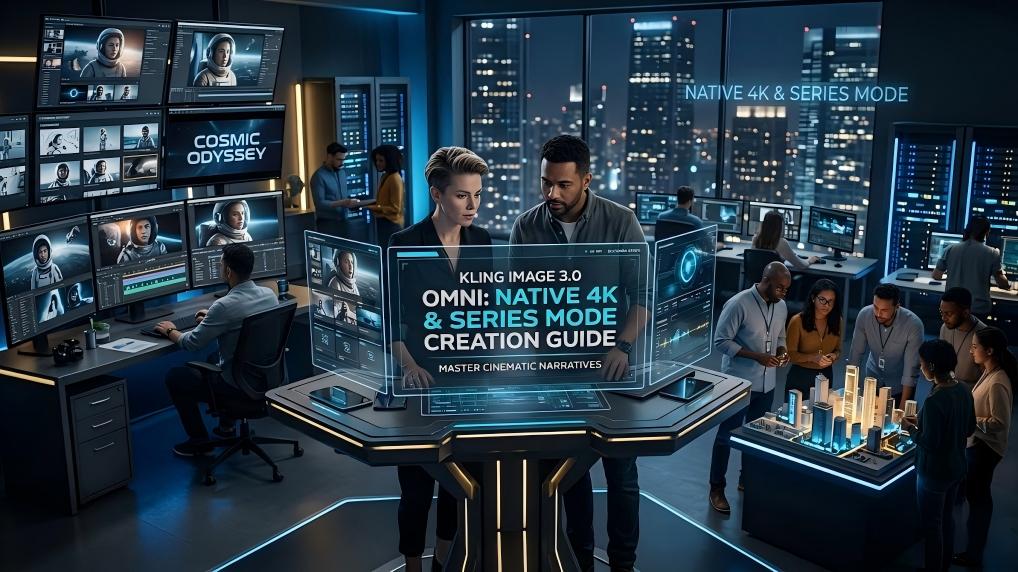
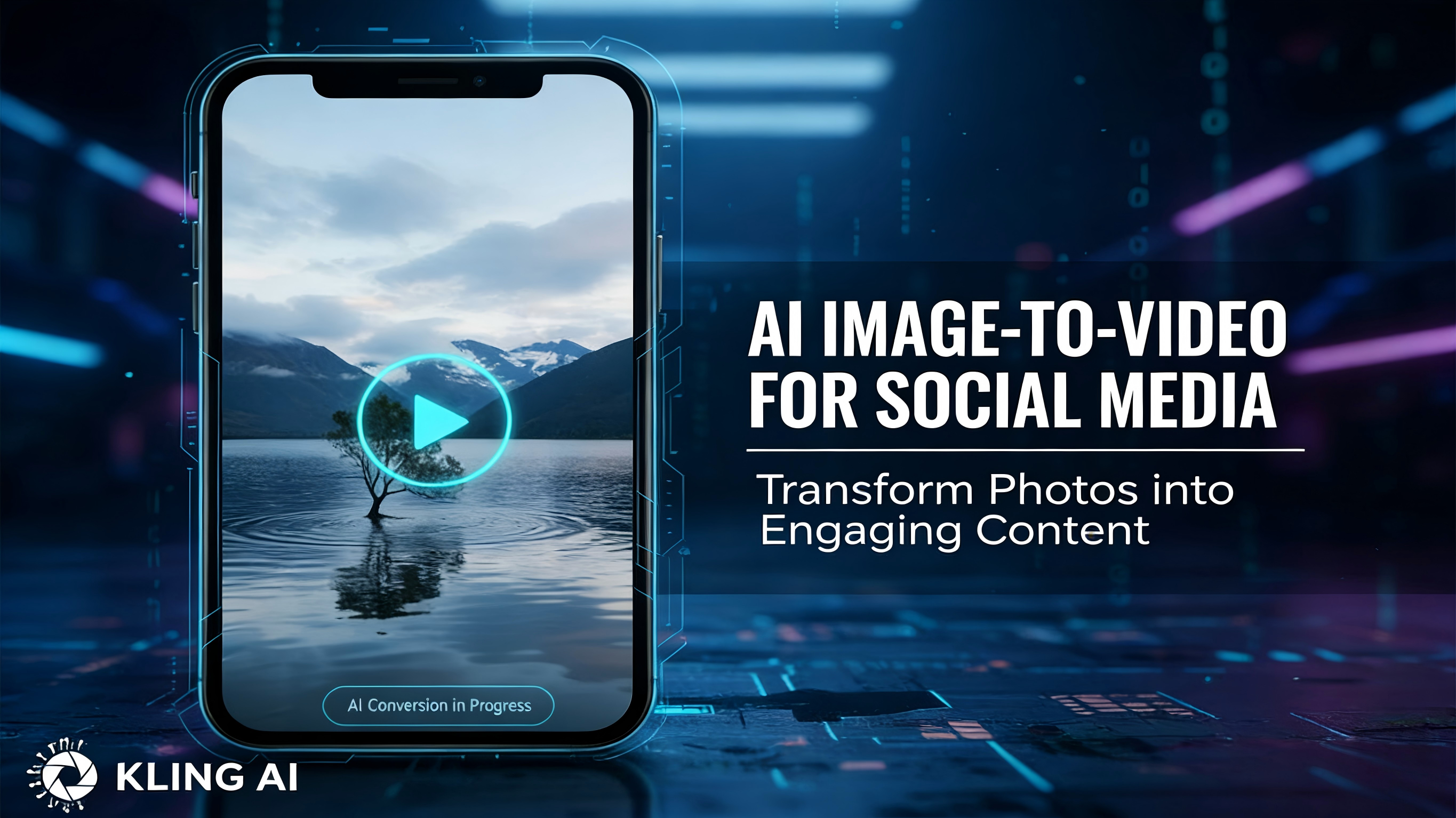
Video storytelling once belonged entirely to the realm of the big-name Hollywood studios and high-budget films. All of that is behind us. Present-day video storyline software is bringing narrative creation out of exclusivity and placing professional-level storytelling function at the disposal of creators of all levels everywhere. With Kling AI, you can draft story beats and preview visuals via text-to-video or image-to-video in 1080p/30 fps across 16:9/9:16/1:1, shortening the leap from outline to first cut.
The transformation is occurring at breakneck speed. What used to take weeks of sessionizing and costly scriptwriters can now be achieved within hours with the use of AI storytelling platforms. It's not about diminishing human creativity – it's about augmenting it and putting at your disposal the ability to take crude ideas and turn them into effective stories that resonate with listeners.
What Is An AI Video Storyline With Kling AI?
Instead of guessing what might work, AI lets you iterate story beats in minutes and validate direction before production. The result is faster drafts and cleaner structures tuned for engagement. In Kling, combine outline text with reference images to generate multiple storyline-and-shot variations, then pick the best pass for refinement.
Basic Definition & Key Components
You can consider it like having a 24-hour story consultant at your disposal who produces dozens of versions of your idea before you get the right one. Contemporary AI storytelling platforms build strong hooks, give life to understandable characters, build attention-holding tension structures, and write effective final steps that motivate engagement. Kling’s Kolors model supports character references and consistent style frames, helping keep cast, wardrobe, and art direction coherent across scenes.
Traditional vs. AI-Powered Differences
Outdated storytelling processes entail extended development cycles, constant reworks, and significant upfront costs. You can spend weeks fine-tuning one thing and discover it doesn't resonate with your audience. AI video storylines flip all of this on its head and offer data-driven templates optimized for engagement while letting you make those gut-level creative calls that matter.
| Elements | Prompt | Result | |
 | 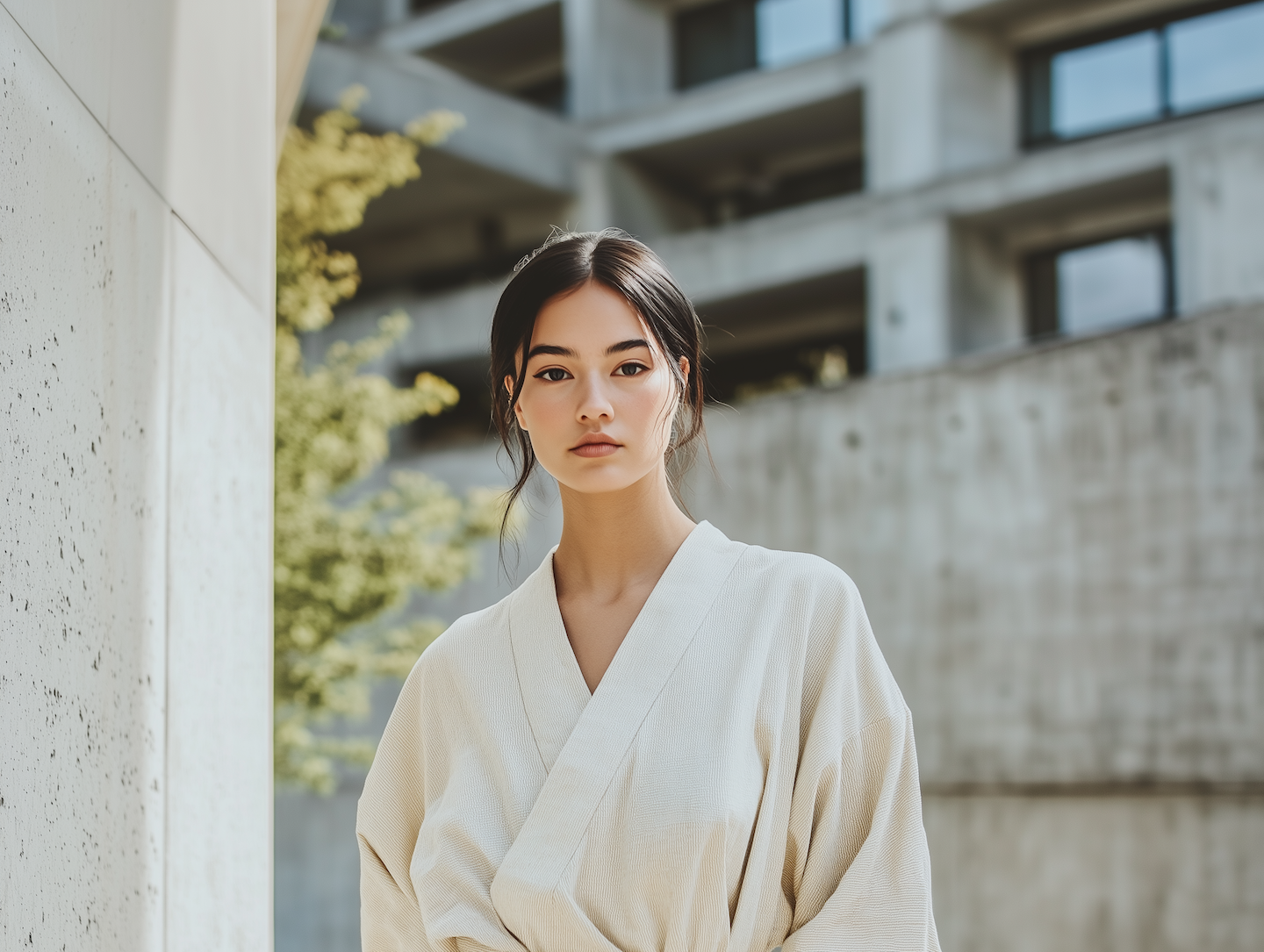 | Two girls hug each other. |   |
Why Use Kling AI For Video Storytelling?
The benefits of AI storytelling generators far exceed simple time-saving. It is their ability to reliably produce multi-platform content that can play before diverse crowds where their strength lies. Kling’s outputs target common platform specs by default, making it easy to test narrative cuts for TikTok/Reels/YouTube in parallel.
Efficiency & Speed Improvements
Handwritten script writing takes 2-4 weeks to achieve professional-level storytelling. Computerized storytelling software generates several full-length storylines within one hour. This is the advantage of speed when it comes to trying out several methods simultaneously and seeing what is most effective with your particular audience.
Cost-Effectiveness & Creative Benefits
Using paid-for professional scriptwriters ranges from $500 to $5,000 project-wise. AI video storyline software costs $15 to $50 a month with unlimited generations and edit versions. This price difference is revolutionary for small businesses and individual creators. Kling offers flexible access (official API and third-party gateways) so teams can start small, then scale to higher-throughput pipelines as needs grow.
AI storytelling software is equally effective at being a strong brainstorming collaborator. When you get stuck on an idea, these programs come up with dozens of varying methods toward the same general idea while assisting in developing baseline quality parameters throughout all of your work.
How Do You Choose An AI Storytelling Generator?
Selecting the proper AI storytelling generator can make or break experiences and yield transformative outcomes. It is all about matching platform functionality with your unique needs and requirements of the workflow.
Comprehensive Platform Analysis
Comparison Dimension | Text-Native Storytelling Tools (e.g., ChatGPT, Claude) | Marketing Copywriters (e.g., Jasper, Writesonic) | Video-Native Story Engines (Kling AI) |
Primary Architectural Paradigm | LLM (Large Language Model) | Specialized Marketing Wrappers | Unified Multimodal Video Model |
Visual Storytelling Validation | None (Textual logic only) | Static image generation (limited) | Full real-time cinematic verification |
Character & Style Consistency | Textual descriptions and memory | Brand voice settings | Multi-Shot Element Library (Visual Bible) |
Story-to-Final Production Loop | Concept drafting only | Concept to marketing copy | End-to-end (Script + Stills + Video + Audio) |
Economic Logic ($30/mo Tier) | Access to reasoning models | Access to SEO/Marketing templates | Coverage of Script + Storyboard + Pre-viz + Audio |
While a textual tool provides a script, Kling AI provides a "validation layer" where that script is immediately stress-tested through visual motion and environmental physics. This capability reduces the time spent on "failed concepts" that look good on paper but do not translate to video, a process known as Visual Storytelling Validation.
| Elements | Prompt | Result | |
 |  | A boy rides a Pegasus, soaring through the air, in a magical style. | 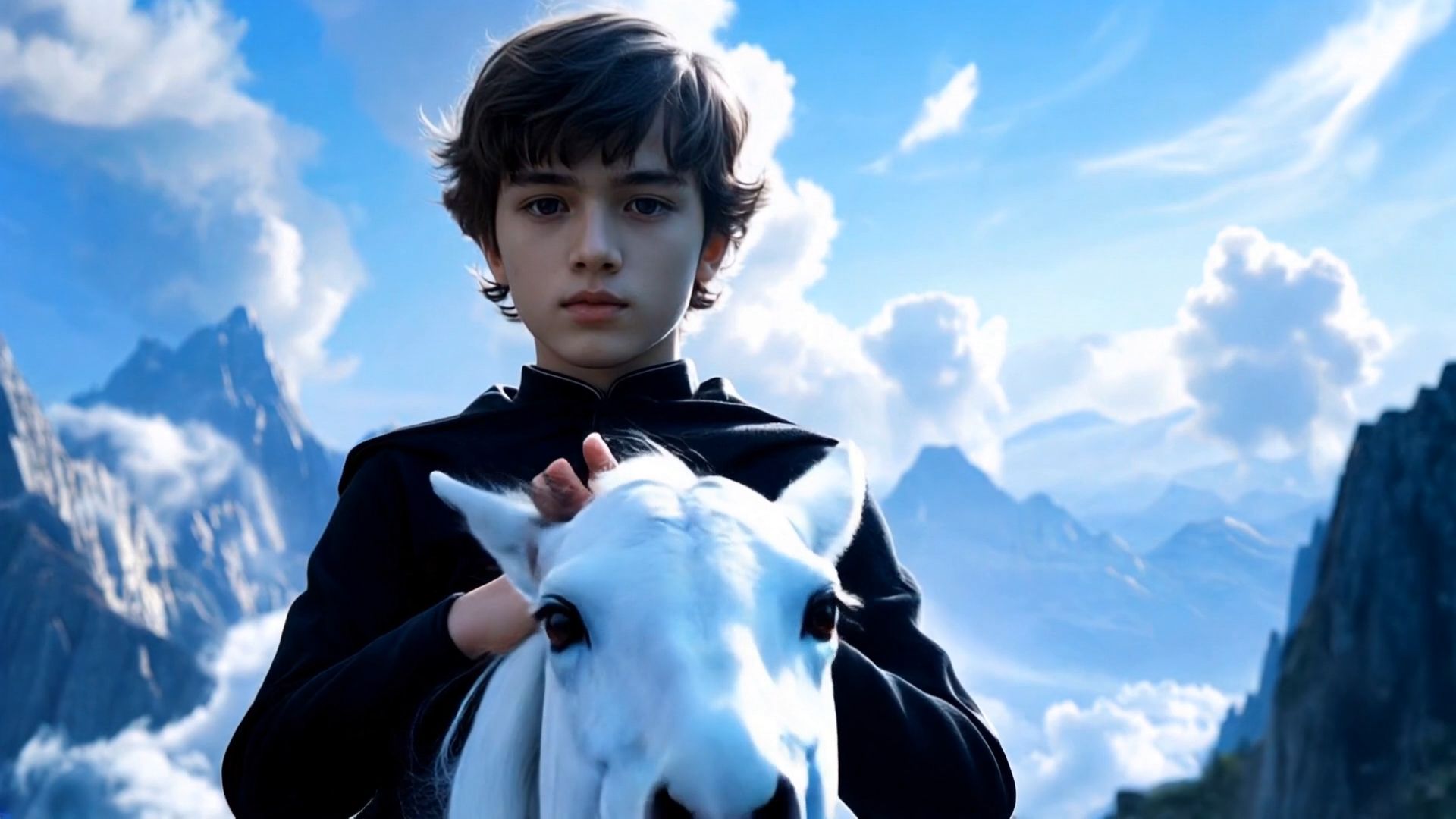 |
How to Build a Kling AI Video Storyline
Use Kling to turn outline → Kolors concept frames → text-to-video draft → multi-elements revision into a rapid loop, then batch-render via the async API. This compresses development from days to hours while preserving creative control through explicit prompts, reference images, and editable scene elements. You iterate quickly, keep brand consistency, and generate platform-ready cuts without leaving the pipeline.
Step 1: Creative Objectives & Target Demographics
Define the primary goal—educate, persuade, launch, or retain—and the audience persona with concrete details: pain points, media habits, tone tolerance, and call-to-action preference. In Kling, set aspect ratio and duration up front (e.g., 9:16, 45–60s) so composition, pacing, and typography align with the viewing context. Lock a one-sentence story promise and success metric before drafting scenes.
Step 2: Supporting Materials & Research
Assemble industry stats, customer quotes, competitive claims, and brand assets. Upload brand colors, logos, and cast photos. Use Kolors to create style frames that establish palette, lighting, and texture, plus character references to stabilize faces, wardrobe, and hair across shots. These visual anchors help Kling maintain continuity as you evolve beats, saving revisions later.
Step 3: Narrative Architecture
Structure | Best For |
Problem → Solution | Tutorials, product explainers |
Journey/Transformation | Brand stories, short films |
Step 4: AI Generation Workflow
● Choose Model 2.5, 30 fps, and target clip length.
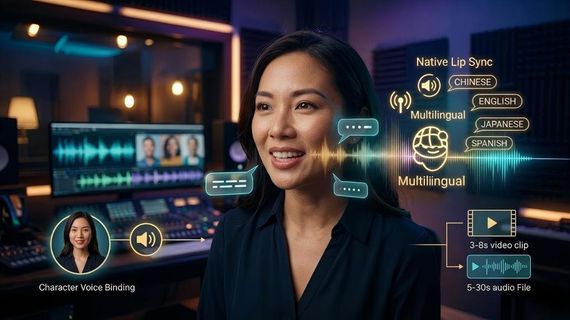
● Enable Lip-sync for VO or dialogue-heavy scenes.
● Attach reference images for product, location, and wardrobe continuity.
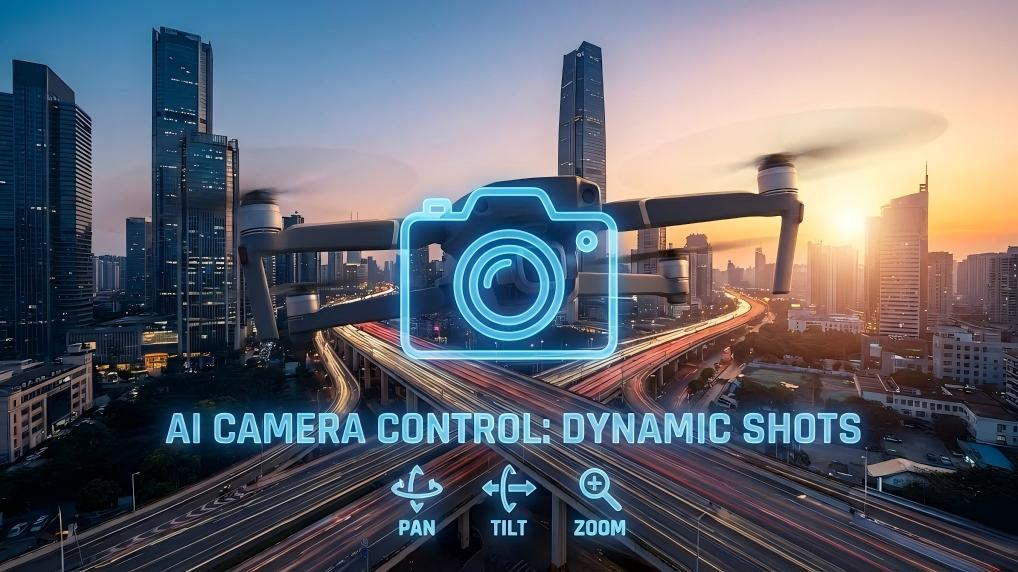
● In prompts, add structure tags (Hook → Conflict → Turning Point → CTA) and camera notes (wide/pan/close).
● Save parameter presets to keep variations comparable.
Step 5: Iterative Refinement
Treat the first render as a baseline. Run 3–5 light passes: tighten beats, clarify motivations, and adjust coverage. Use DeepSeek to sharpen prompts, compress exposition, and vary cadence. Conduct version sweeps (same brief, different seeds) to explore alternatives; shortlist the takes that best balance clarity, pace, and emotional payoff before adding polish.
Step 6: Narrative Polish & Production Format
Enrich scenes with concrete examples, stats, and on-brand dialogue. Use the multi-elements editor to swap props, tweak blocking, or localize settings without reshoots. Render 1080p/30 fps masters for each channel, then queue derivatives via Kling’s async API to parallelize outputs (e.g., captions, aspect ratios, language variants). Deliverables remain visually coherent and production-ready while meeting platform constraints and deadlines.
| Elements | Prompt | Result | |
 |  | A white Bichon Frisé wearing a red floral Chinese-style winter coat licks its paw. | 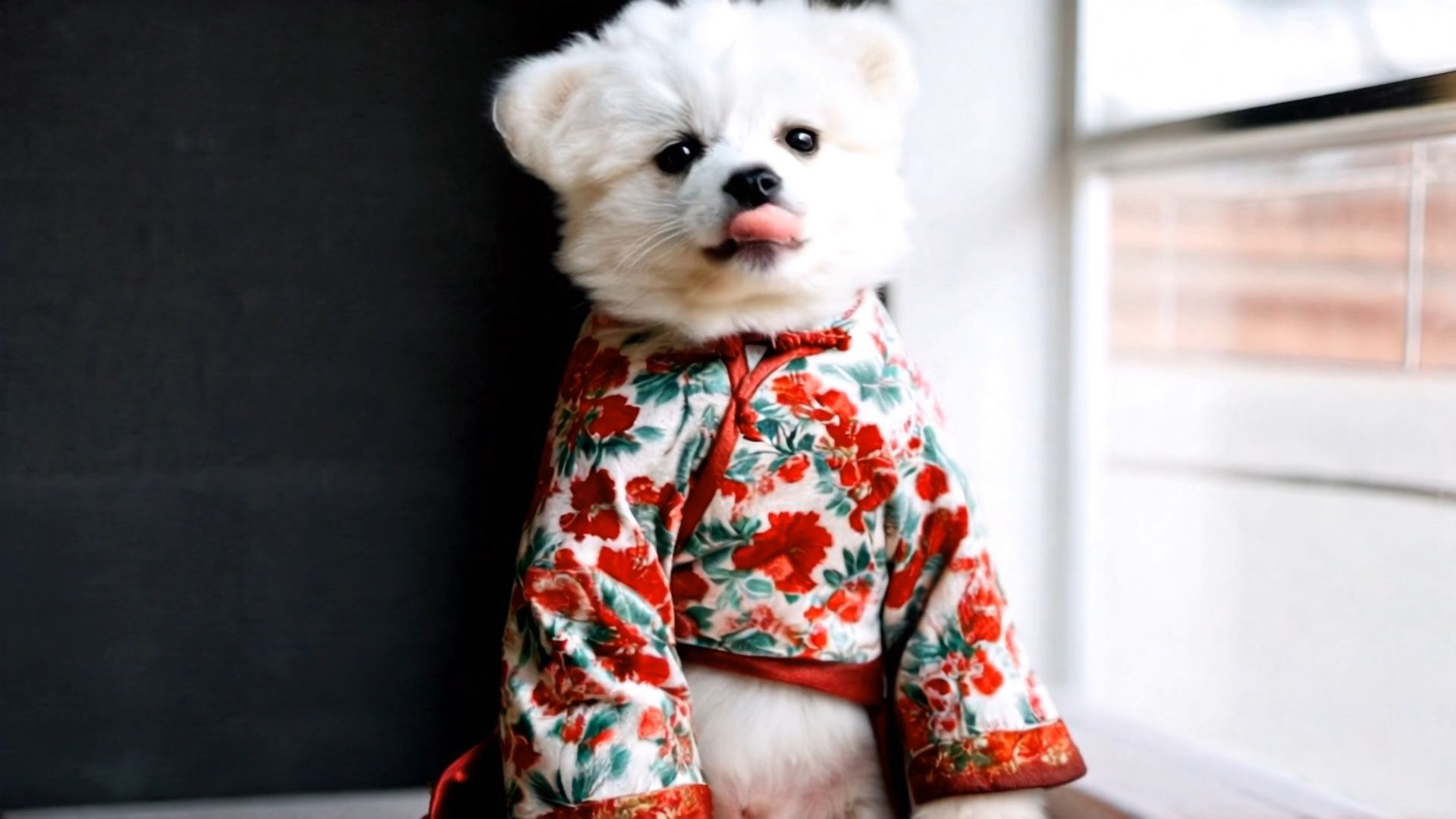 |
How to Improve Kling AI-Generated Stories?
Once your AI storytelling generator produces a solid foundation, the real creative work begins. This is where you transform good content into exceptional narratives that truly resonate with your audience. Lock key characters with reference images and reuse them to maintain continuity across episodic content in Kling.
Content Depth Enhancement
Incorporate layers of meaning and concreteness that only human interpretation can render. Add real-world examples, current events, or information related to the industry. Add emotional depth by exploring character motivations and adding sensory details that allow the viewer to more vividly visualize things on the screen. Generate concept art and mood frames in Kolors first; use them as visual guardrails during video iterations.
Plot Logic Checks
It prevents confusion of the audience and maintains credibility. Character actions must remain congruent with their established motives, and events must proceed with organic flow. Technical information is accurate, and timing and pace are consistent with your preferred viewing situations. Maintain scene IDs in prompts and reuse them so Kling preserves chronology and spatial continuity.
Character Consistency
Test dialogue for consistency so that each character has a distinct voice. Make sure that personality ticks, knowledge levels, and speaking mannerisms remain consistent. Write character reference sheets for a few related videos so that you can maintain consistency within your series of videos.
Visual Elements & Direction
Incorporate detailed scene descriptions, recommended camera angles, and transition remarks. Add remarks regarding color palettes, mood lighting, and visual metaphors that enhance your narrative's impact on a listener/reader both emotionally and intellectually, and connect the dots between storytelling and concluding video work. Use camera cues (zoom/pan/dolly) and motion brush in Kling to match emotional beats with movement.
FAQs about Using Kling AI
Q1. Do I Keep Creative Control With Kling AI?
You have full creative authority at all times. AI storytelling generators are creative aides, not leaders. You set goals, give instructions, and make final content decisions. The AI speeds up the first generation and suggests different methods you may not take. Kling exposes clear parameters (model, duration, fps, references) so directors retain shot-level control.
Q2. How Do Kling AI Storylines Compare To Traditional Scripts?
AI-accompanying storylines tend to work better than prewritten scripts because they are based on tried and tested engagement paradigms. It is the iterative optimization method that enables pre-production optimization of content. AI supplies data-driven insights that you supplement with strategic intuition and creativity. Kling’s fast iterations plus DeepSeek prompt guidance reduce early-stage rewrite cycles while preserving your editorial voice.
Q3. Can Kling AI Handle Industry-Specific Content?
Current AI storytelling tools are very versatile within industry-specific parameters when properly guided. They understand technical concepts within several industries. Provide clear context about your industry, audience expertise level, and approach toward communication for maximum output. Kling’s multimodal visual language (mixing image-text-video inputs) supports domain-specific demos—from product walkthroughs to training scenarios.
Ready To Transform With Kling AI Storytelling
The future of video storytelling isn't about picking between artificial intelligence and human creativity—but about leveraging both of them strategically together in order to produce video content that resonates with your audience. AI video storylines and AI storytelling generators have already proven their value to tens of thousands of video creators, now producing more effective video content faster than ever before. Choose Kling to prototype, test, and finalize storylines with HD outputs and consistent character/style controls.