The digital world evolves relentlessly as creators seek tools that transcend traditional boundaries. Selecting the optimal production engine requires discerning true innovation from mere novelty. The ideal choice empowers we artists to realize complex visions with absolute fidelity and speed while redefining the economics of high-end visual storytelling.
Benefits of Using AI Video Generator
The modern creator stands at the precipice of a revolution where artificial intelligence provides a direct bridge between thought and reality. The technology empowers users to generate worlds that physics cannot constrain.
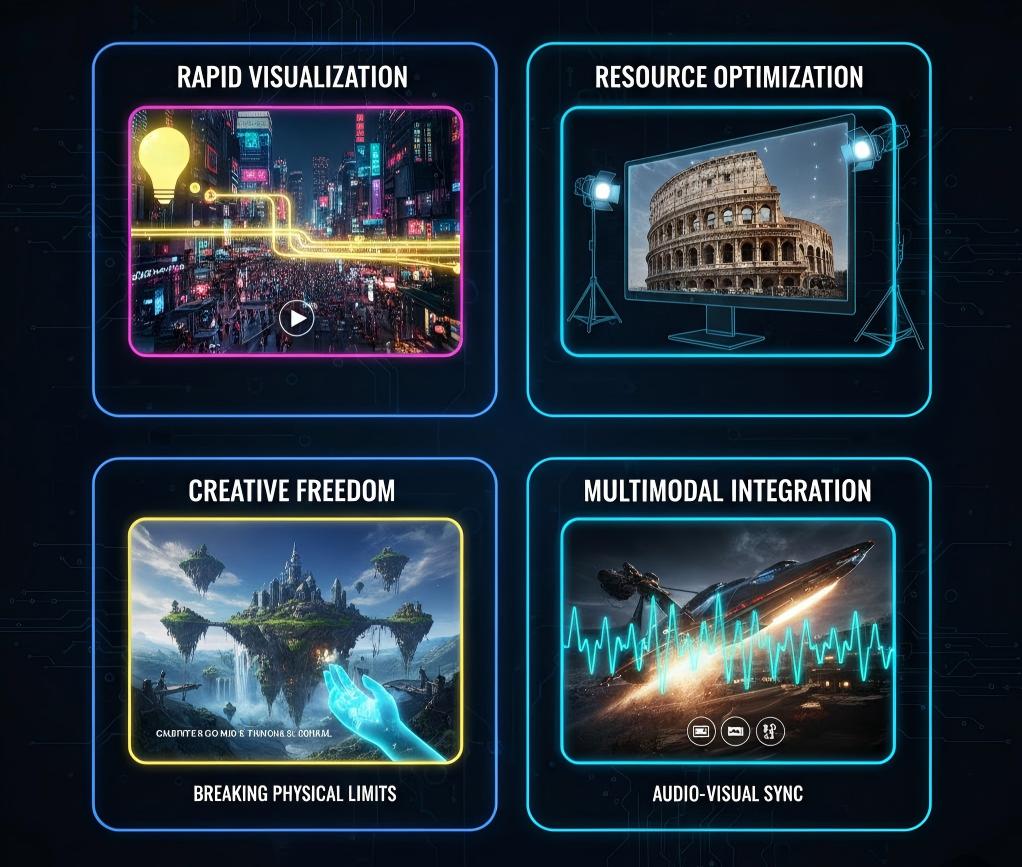
- Rapid Visualization: Concepts transform into viewable media in moments. The speed of generation allows for the exploration of multiple iterations without the penalty of lost time.
- Resource Optimization: Virtual production eliminates the need for expensive physical sets or large crews. The creator acts as the sole architect of the scene.
- Creative Freedom: The only limit is the user's ability to describe a vision. The software interprets abstract ideas and converts the data into concrete visuals.
- Multimodal Integration: Visuals and audio emerge as a singular unified output. The synchronization of sound and motion creates a level of immersion that silent clips cannot achieve.
Things to Consider When Choosing Your AI Video Generator
Not all engines perform equally. The ideal choice must balance raw power with precise control to serve professional needs effectively.
- Temporal Flexibility: The ability to define exact timeframes is crucial for narrative pacing. A rigid system forces the story to adapt to the tool.
- Sensory Coherence: Audio must exist as a native component of the generation process rather than an afterthought. The soundscape must match the visual action perfectly.
- Identity Persistence: Characters must remain recognizable across different shots. The audience loses connection if the protagonist changes appearance between scenes.
- Directorial Control: The system should understand cinematic language. It must interpret instructions regarding camera angles and movement with the skill of a human director.
The Essentials of Professional Production
A deep analysis of the current market reveals specific capabilities that distinguish a toy from a tool. The demanding nature of 2026 media production requires a set of features that address the specific pain points of earlier models.
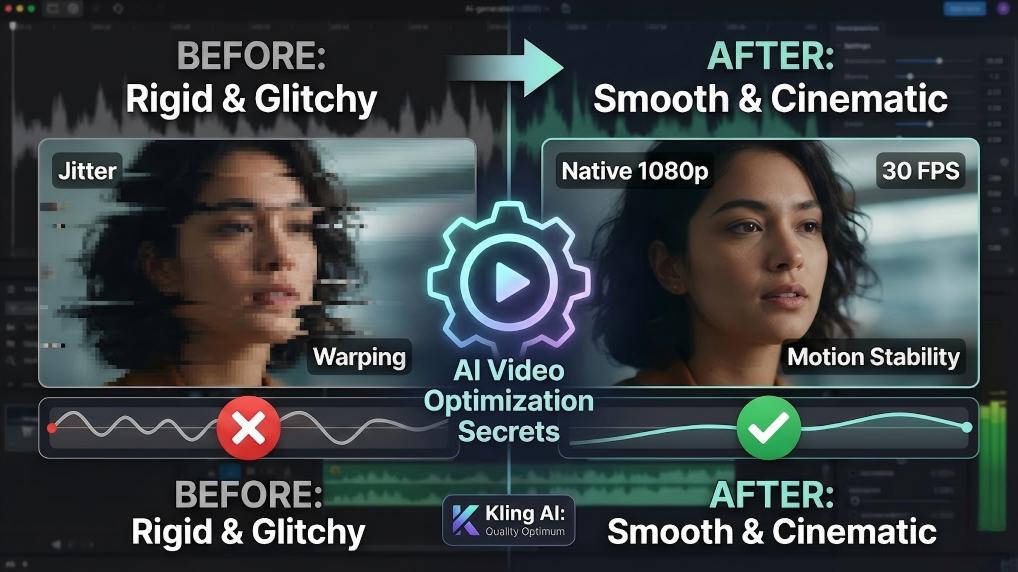
- Extended Narrative Duration: The restriction of short clips forces a disjointed storytelling style. A superior model offers extended generation times to capture complex actions without interruption. The creator requires the freedom to let a scene breathe. A duration of up to 15 seconds allows for the development of meaningful arcs.
- Native Audio Synchronization: A video without sound fails to convince the senses. The generation of visual content must occur simultaneously with the creation of accurate audio. The system must understand the semantic relationship between a visual action and its corresponding sound.
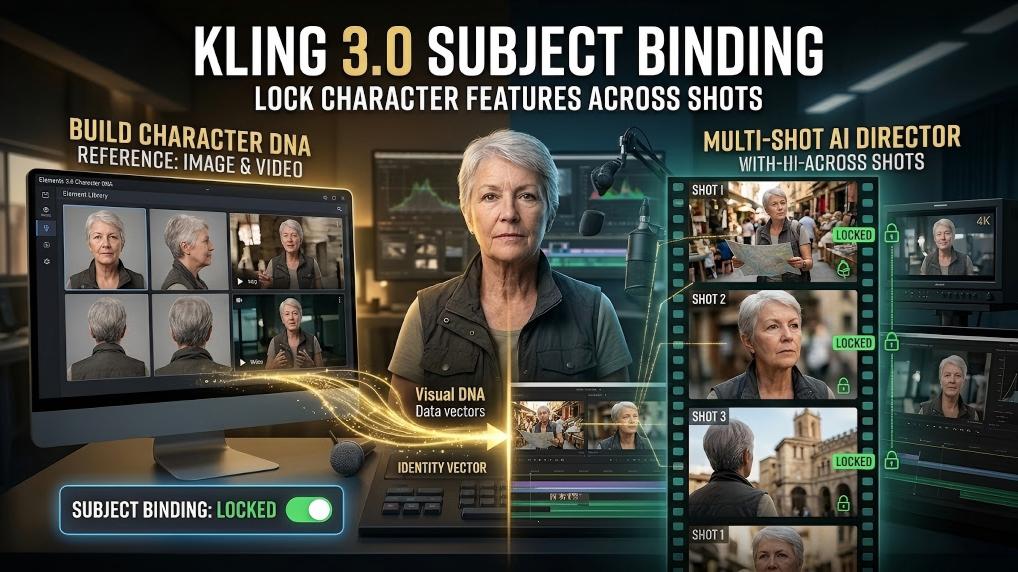
- Character and Element Locking: The viewer notices when a character changes features between frames. The technology must offer a method to lock the identity of a subject. The ability to use a reference video provides a stronger ground truth than a static image.
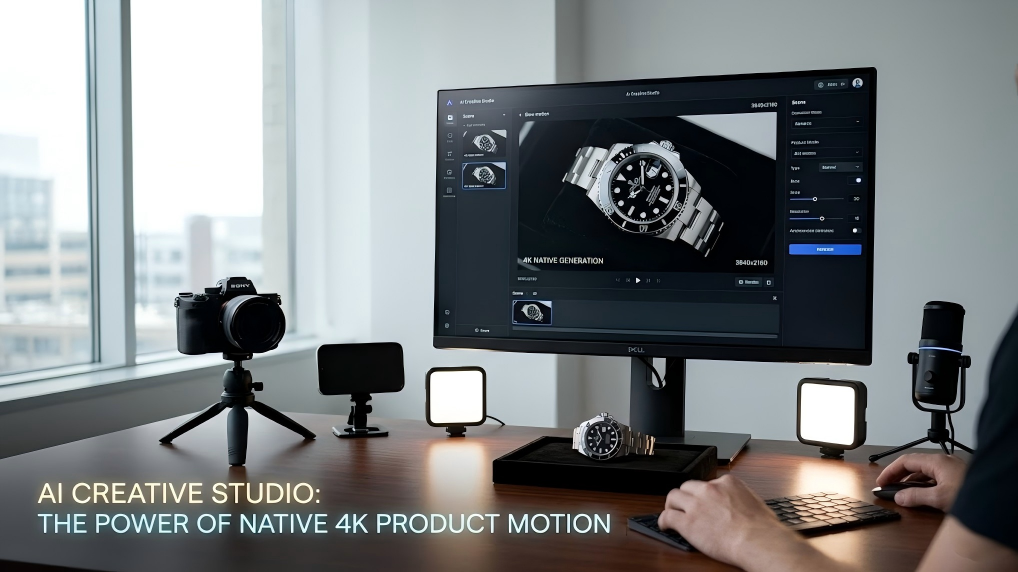
- Precise Text Rendering: Signs and labels within the video must be legible. The system must render letters with precision to allow for the inclusion of brand messaging or subtitles without the need for post-production fixes.
How Kling AI Dominates the AI Video Generation in 2026
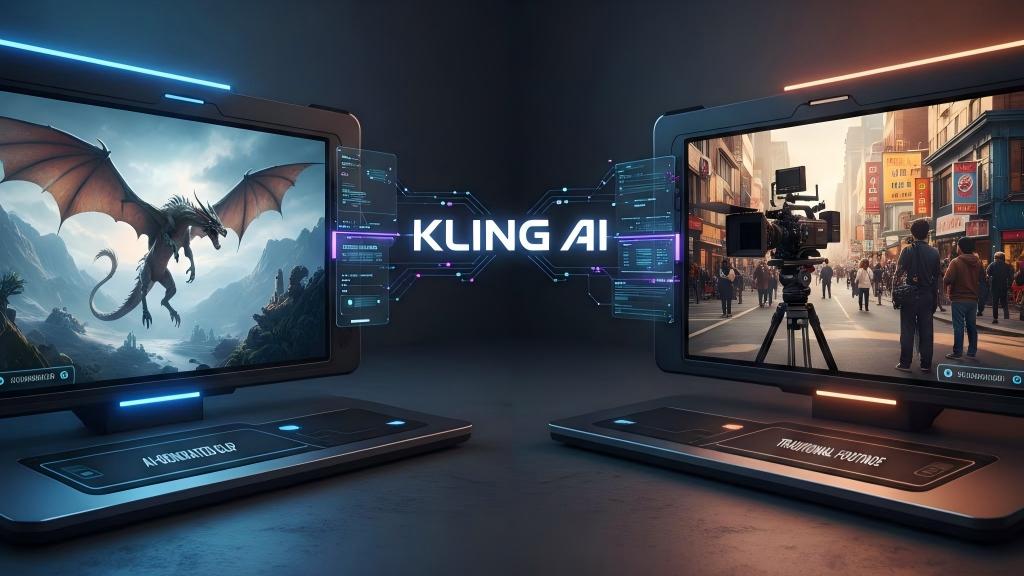
The 2026 features strong AI Generators like OpenAI Sora 2 and Runway Gen 4 and Google Veo. These platforms excel at creating visually stunning loops and simulating physical reality. Users often praise them for their high definition output and realistic lighting. However, they function primarily as cameras rather than directors. They generate isolated clips that require heavy editing to form a story. Kling VIDEO 3.0 and Kling VIDEO 3.0 Omni fundamentally shift the workflow from simple asset generation to full narrative production.
From Random Clips to Structured Storytelling
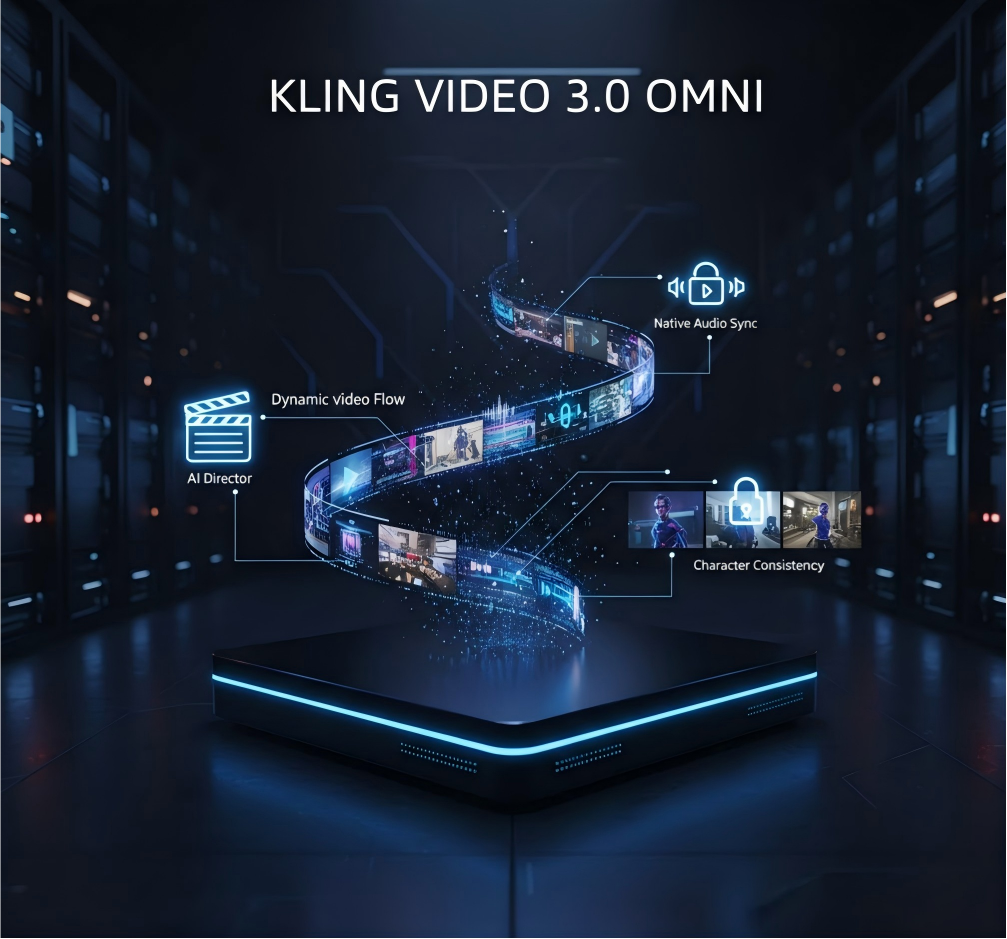
Most mainstream generators create a single continuous shot from a prompt. Attempting to tell a complex story requires the user to generate dozens of separate clips and stitch them together manually. Kling VIDEO 3.0 introduces the "AI Director" feature to solve the problem. The model understands cinematic language. It can generate a sequence containing up to six distinct shots in one pass. The system automatically handles transitions between wide shots and close ups to create a cohesive narrative flow. Such capability allows a creator to produce a complete scene rather than just raw footage.
The Power of Native Audio and Voice
Silence remains a significant limitation for tools like Sora 2. Users must find external sound effects or hire voice actors to add audio. Kling VIDEO 3.0 Omni integrates Native Audio directly into the generation process. The model understands the semantic link between the visual action and the sound. It generates synchronized background ambience and sound effects instantly.
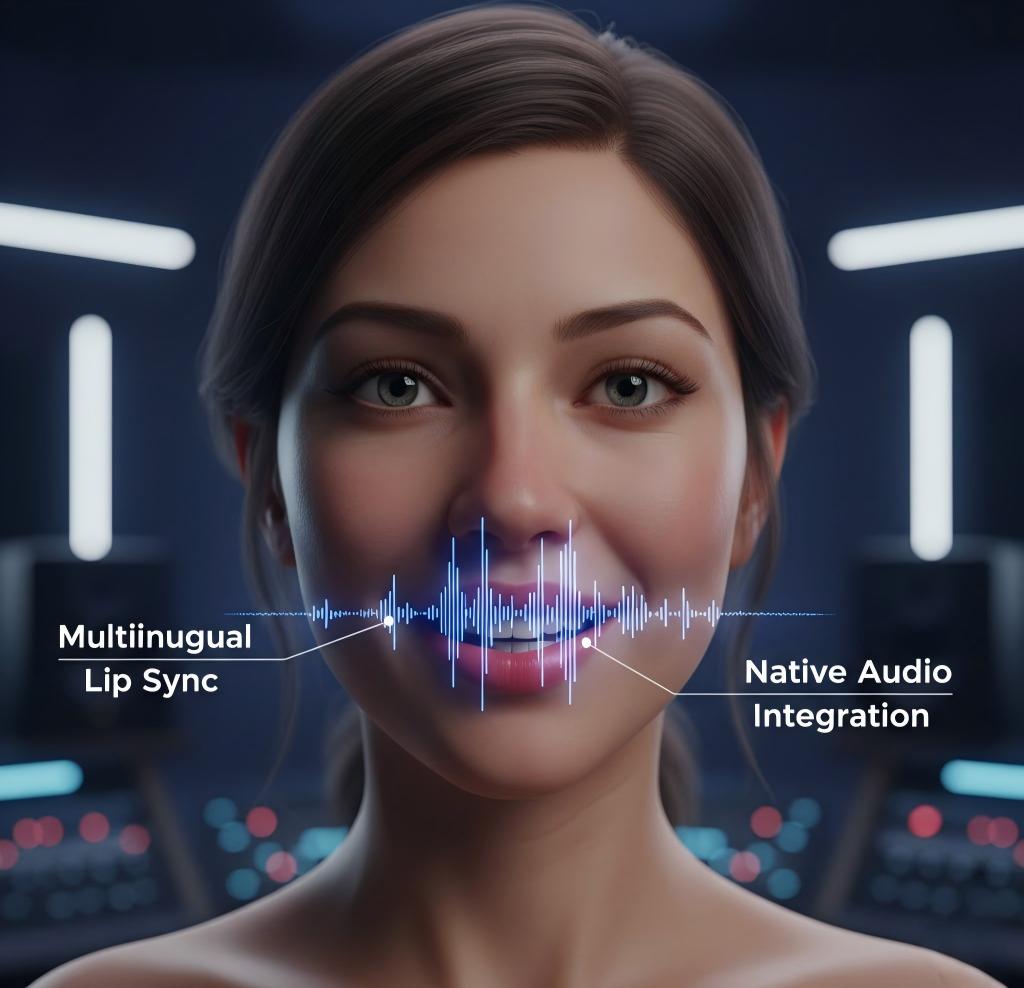
The "Native Audio" feature extends to character dialogue. Kling VIDEO 3.0 Omni offers precise lip sync capabilities across five languages including Chinese and English. The system even supports specific dialects. Users can upload a voice recording to bind a specific vocal tone to a character. The model creates a performance where the voice and the facial movements match perfectly.
Unmatched Character Consistency
Mainstream tools typically rely on static images to control character appearance. The method often fails when the character turns their head or moves rapidly. Kling VIDEO 3.0 Omni utilizes "Elements 3.0" to achieve superior consistency. The feature allows the user to upload a video reference instead of just a photo. The model analyzes the 3D structure and motion of the subject from the video. It then replicates the character with absolute fidelity across multiple scenes.
Commercial Grade Text Rendering
Advertisers often struggle with AI video generators producing garbled or blurry text. Kling VIDEO 3.0 addresses the issue with native level text rendering. The model generates clear and legible signage and captions and logos. It allows brands to place their messages directly into the video without needing post production fixes.
Kling AI vs. Mainstream AI Video Generators (2026)
Feature | Kling VIDEO 3.0 Omni | Mainstream AI Video Generators (Sora 2 / Runway Gen 4) |
|---|---|---|
Narrative Control | AI Director (Multi Shot generation with cinematic transitions)
| Single Shot generation (Requires manual editing) |
Audio Integration | Native Audio (Syncs sound, voice, and lip movements)
| Silent output (Requires external audio tools) |
Character Consistency | Elements 3.0 (Uses Video Reference for 3D accuracy)
| Image Reference (Prone to identity drift) |
Text Rendering | Native Level Precision (Legible signs and logos)
| Often blurry or garbled text |
Duration | 15 Seconds (Flexible narrative flow)
| Typically 5 to 10 seconds |
Dialogue | Multilingual Lip Sync (Supports 5 languages + dialects)
| Poor or non existent lip sync |
Invest in Kling AI, Embrace a New World
Investing in Kling 3.0 signifies a commitment to the future of storytelling. The seamless integration of audio and visuals creates a new standard for the industry. Your investment in these tools unlocks a universe of professional possibilities where the only limit is your imagination.
Join us today as Pro, Premier or Ultra to gain the early access to Kling 3.0
FAQs
1. How Does Artificial Intelligence Manage Complex Storytelling in Video Generation?
Modern AI models have evolved from generating simple loops to directing full narratives. For instance, advanced systems like Kling VIDEO 3.0 now feature an "AI Director" capability. This allows the model to understand script-based instructions and generate a sequence of up to six distinct shots in a single 15-second generation. Instead of disjointed clips, the AI automates cinematic transitions and camera angles, enabling users to create structured stories with logical flow and continuity without manual editing.
2. Is It Possible for AI to Generate Realistic Sound and Synchronized Dialogue?
Yes, contemporary AI video generators have moved beyond silent output to offer native audio integration. Tools like Kling VIDEO 3.0 Omni can generate sound effects and background ambience that semantically match the visual action. Furthermore, they support precise lip-syncing for multiple languages, including Chinese and English. Users can even upload vocal references to bind a specific tone to a character, ensuring that the dialogue is not only synchronized with mouth movements but also carries a consistent and distinct vocal identity throughout the scene.
3. What Mechanisms Ensure Character Consistency Across Multiple AI Video Shots?
Maintaining a character's identity has historically been difficult, but new features have solved this challenge. The "Elements 3.0" feature in Kling VIDEO 3.0 Omni allows creators to use video clips rather than just static images as references. By analyzing the 3D structure and motion data from a user-uploaded video, the AI creates a robust digital replica. This ensures that the character's facial features, clothing, and style remain constant across different camera angles and shots, preventing the common issue of identity drift in longer narratives.
4. How Long Can AI-Generated Video Sequences Extend in a Single Output?
While early AI models were restricted to very short clips of 3 to 5 seconds, the latest technology has significantly extended this boundary. Systems like Kling VIDEO 3.0 now support the generation of up to 15 seconds of continuous footage in a single pass. Crucially, this duration is flexible; users can define the exact length between 3 and 15 seconds to fit their specific storytelling needs. This extended runtime allows for the development of complex actions and complete scenes without the jarring interruptions caused by stitching together shorter, unrelated clips.
5. Are AI Video Generators Capable of Rendering Legible Text for Commercial Content?
Text rendering has traditionally been a weak point for generative video, often resulting in blurry or gibberish characters. However, the newest architecture in models like Kling VIDEO 3.0 has achieved native-level text precision. These systems can accurately reconstruct text from reference images or generate new, legible text based on prompts. This capability ensures that brand logos, subtitles, and signage within the video appear crisp and stable, making the technology viable for professional commercial applications like e-commerce advertising where brand messaging must be clear.