Visual storytelling shifts toward a professional peak. High resolution now meets deep narrative structure within a single creative workflow. The current generation of tools provides unmatched clarity and logical flow for digital artists. Mastery of these features creates a bridge between an abstract concept and a cinematic reality that resonates with a modern audience.
The Impressive Leap of Kling Image 3.0 Omni
The release of the Kling Image 3.0 Omni model marks a fundamental change in the digital imagery landscape. Previous generations often struggled with a digital or artificial look that lacked the depth of traditional photography. The current model series focuses on the natural presentation of textures and lighting to create a more realistic and high-quality visual experience. Through the use of a unified multimodal training framework, the model perceives and reproduces image details with unmatched precision.
Material quality serves as a pillar for such realism. The system captures the translucent quality of skin, the vivid colors of a flower, and the intricate layers of a leaf. These details appear stable and lifelike, reducing the common visual artifacts seen in older models. Such improvements cater to the needs of professional creators who require assets that feel grounded in reality. Whether creating an urban leisure atmosphere or a high-contrast cinematic scene, the output maintains industrial-grade consistency.
The model also achieves higher semantic response accuracy. It deconstructs the audiovisual elements within text prompts to follow the creative intention of the user with total precision. Such a capability allows for a deep alignment between the written word and the final visual. The result is a professional asset that meets the rigorous standards of the film and advertising sectors, providing a realistic touch to every generated piece.
Native 2K and 4K Ultra HD
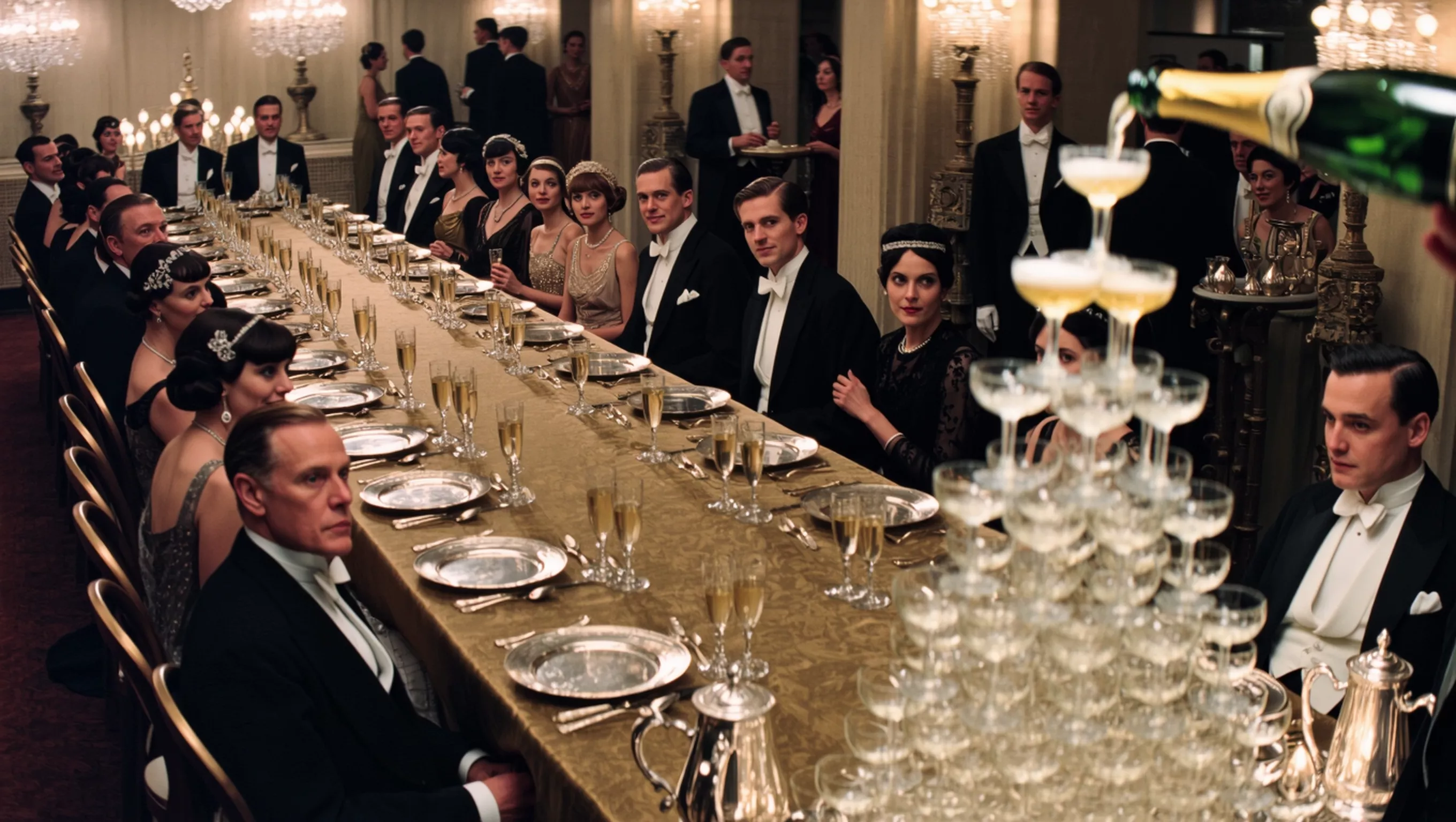
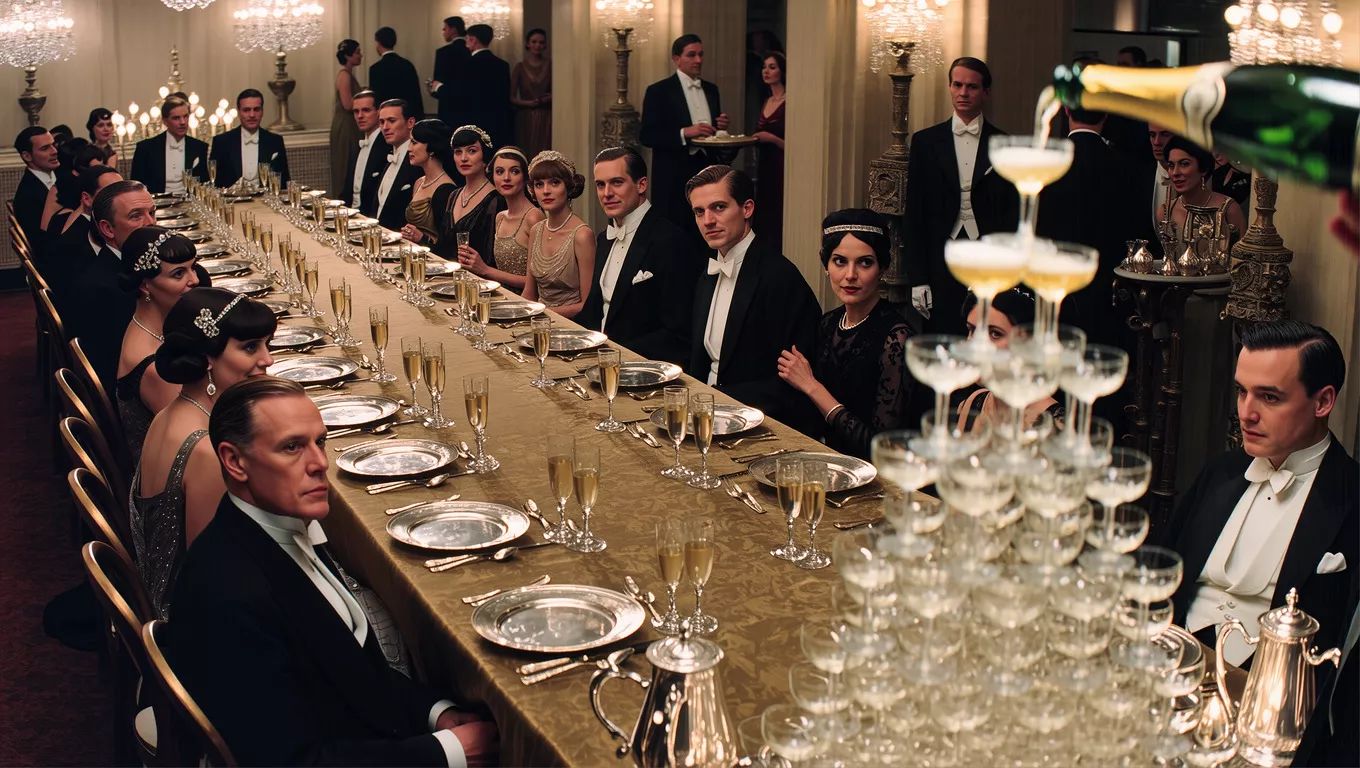
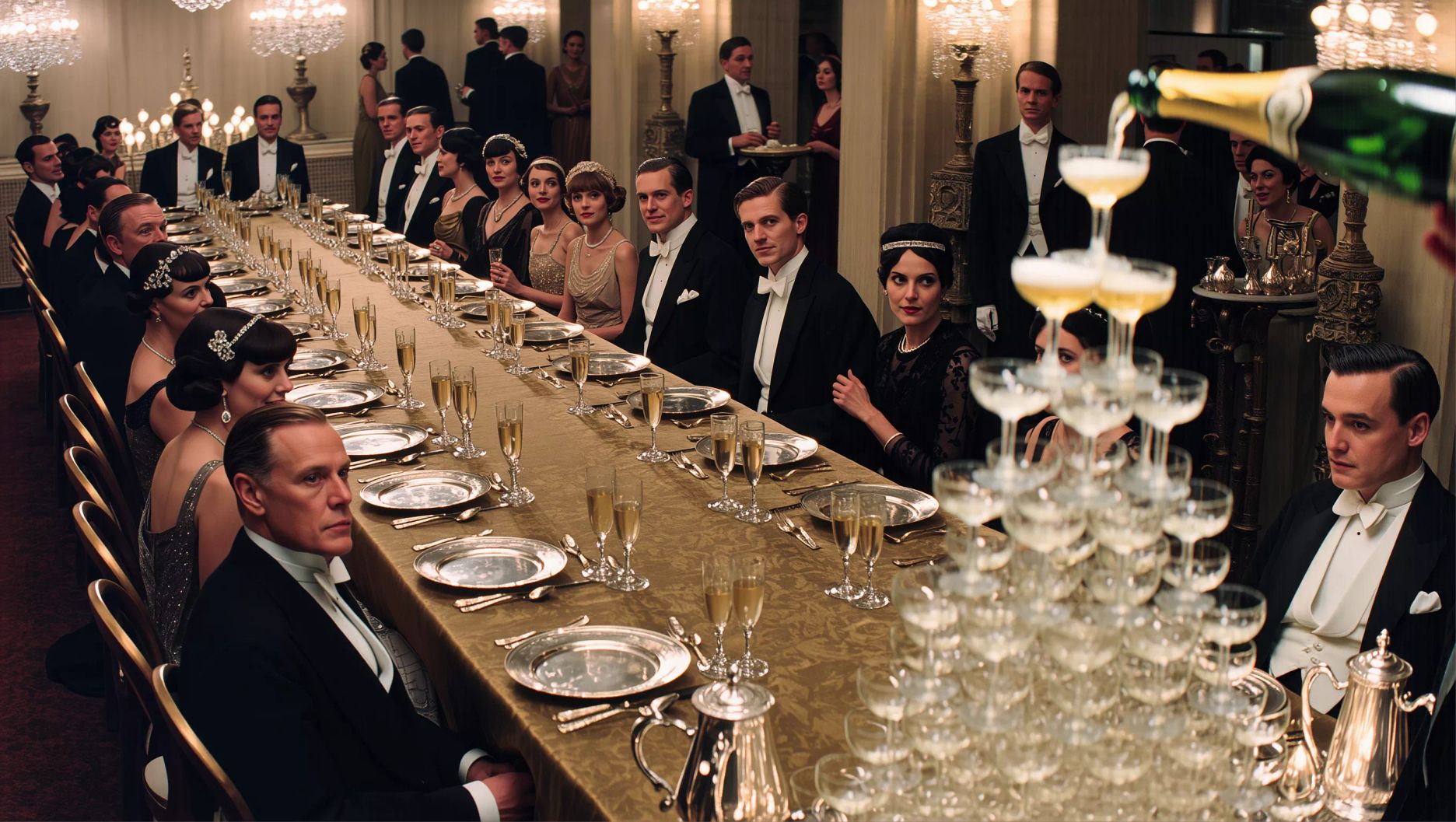
Resolution defines the boundaries of professional digital art. While many platforms rely on secondary upscaling to increase size, the Kling Image 3.0 Omni model supports direct 2K and 4K ultra high definition output. Such native generation produces richer texture rendering and smoother color transitions that upscaling cannot replicate.
The Impact of Direct 4K Output
Direct 4K output provides finer and fuller detail textures. In the context of professional projects, such clarity is vital for high-precision scene design and large-format displays. Creators can generate high-definition posters or brand promotional images that are ready for immediate use. The model generates these pixels natively, which guards the integrity of the light and shadow across the entire frame.
Professional Use Cases for Ultra HD
The availability of 4K resolution provides robust support for several advanced creative scenarios. These include:
- Film Pre-visualization: Creating high-fidelity storyboards that mirror the final cinematic look
- Virtual Scene Visualization: Mapping out complex sets with realistic lighting and material textures.
- Product Texture Shots: Showcasing the fine grain of a product or the subtle facets of a perfume bottle with absolute clarity.
- Brand Promotional Images: Producing high-tier visuals that maintain brand identity and legible text.
Output Level | Pixel Quality | Recommended Application |
|---|---|---|
Standard 1K | Good detail | Social media and rapid ideation |
Native 2K | Natural color flow | Portfolios and digital web assets |
Ultra HD 4K | Rich texture detail | Professional film boards and posters |
Before & After | ||
|---|---|---|
1K | 2K | 4K |
 |  |  |
The AI Image Series Mode Revolution
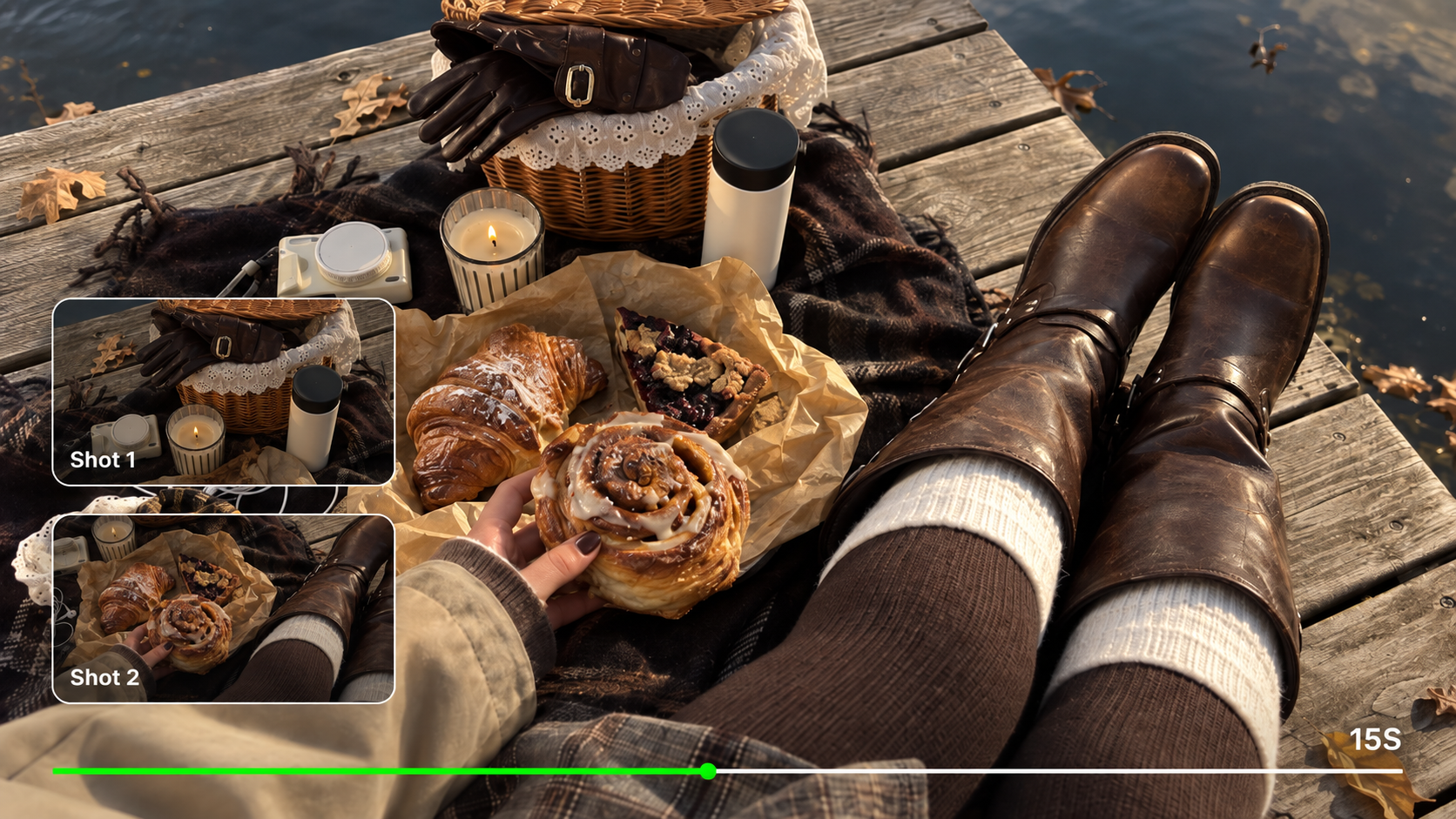
Visual storytelling often requires a sequence of images rather than a single frame. The introduction of the AI image series mode solves the challenge of maintaining consistency across a set. Such a feature unlocks a cinematic narrative experience, allowing creators to tell stories through still frames.
Storyboarding and Narrative Logic
The AI image series mode improves the logical coherence and narrative flow of an image set. It enables the structured output of visual storytelling by precisely controlling core elements such as composition, lighting, shot transitions, and depth of field. Such control allows a creator to map out a whole sequence where the environment and character features remain identical. That consistency is essential for building a complete visual system with a unified style across multiple scenes.
Flexible Creation Paths
The series mode supports two primary methods for generating content:
- Single Image to Series: Starting with a front-facing reference image to build a logical progression of shots. The model deconstructs the audiovisual elements within the prompt to maintain scene relevance.
- Multi-Image to Series: Using several reference images to define the style, character, and setting before generating a full storyboard.
Through the use of batch adjustments and unified optimization, the platform minimizes repetitive tasks. Such efficiency allows the user to focus on the high-level narrative rather than technical readjustments. The model remembers the main characters and items, behaving like a human director to safeguard the stability of the scene throughout the entire series creation process.
Reference Image | Prompt | Output |
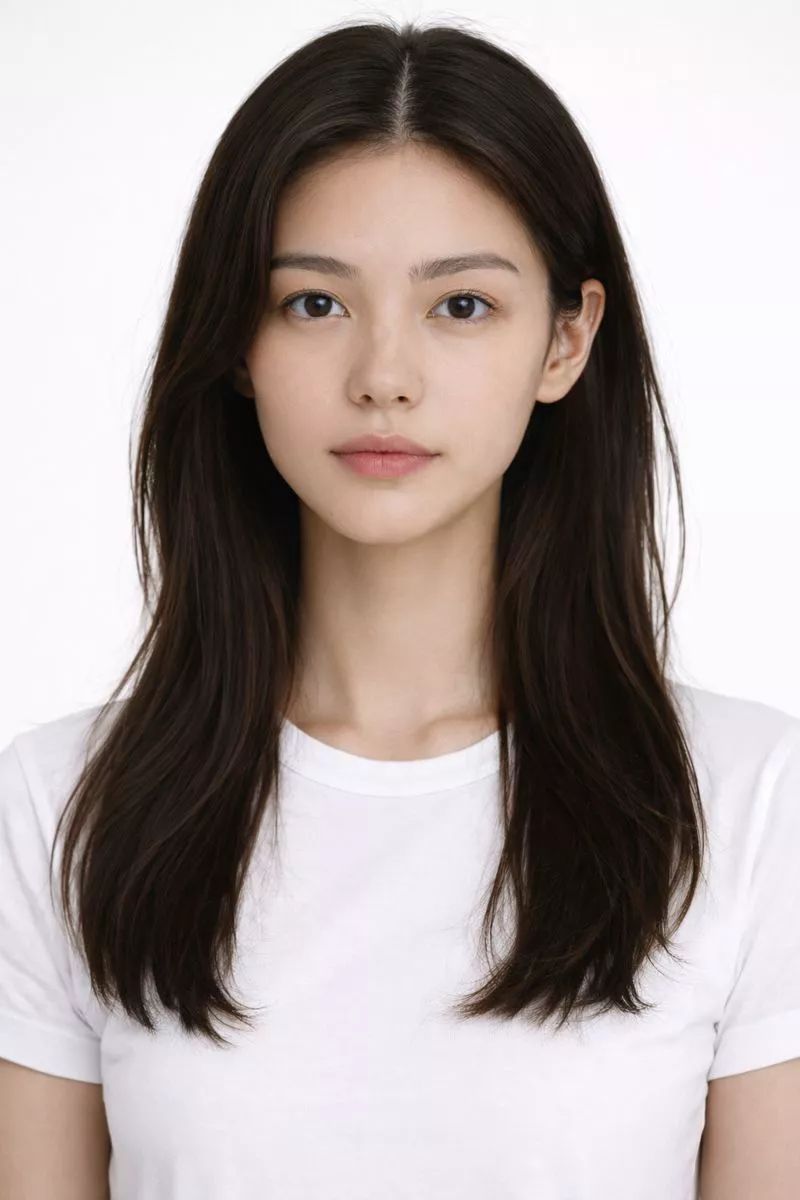 | Cinematic ancient action movie still, 16:9, style of Shadow. Low-angle close-up side shot of the female protagonist in ancient armor on a dusk battlefield, pulling a bow and aiming forward. Fingers strained white, sharp determined gaze, coat and hair blowing in the wind. Foreground bow blurred, focus on the facial expression. Diagonal dynamic composition. Realistic skin and fabric textures. Natural dusk light outlining silhouette, dusty blurred background, yellow-green tone, dramatic movie lighting with facial shadows. | 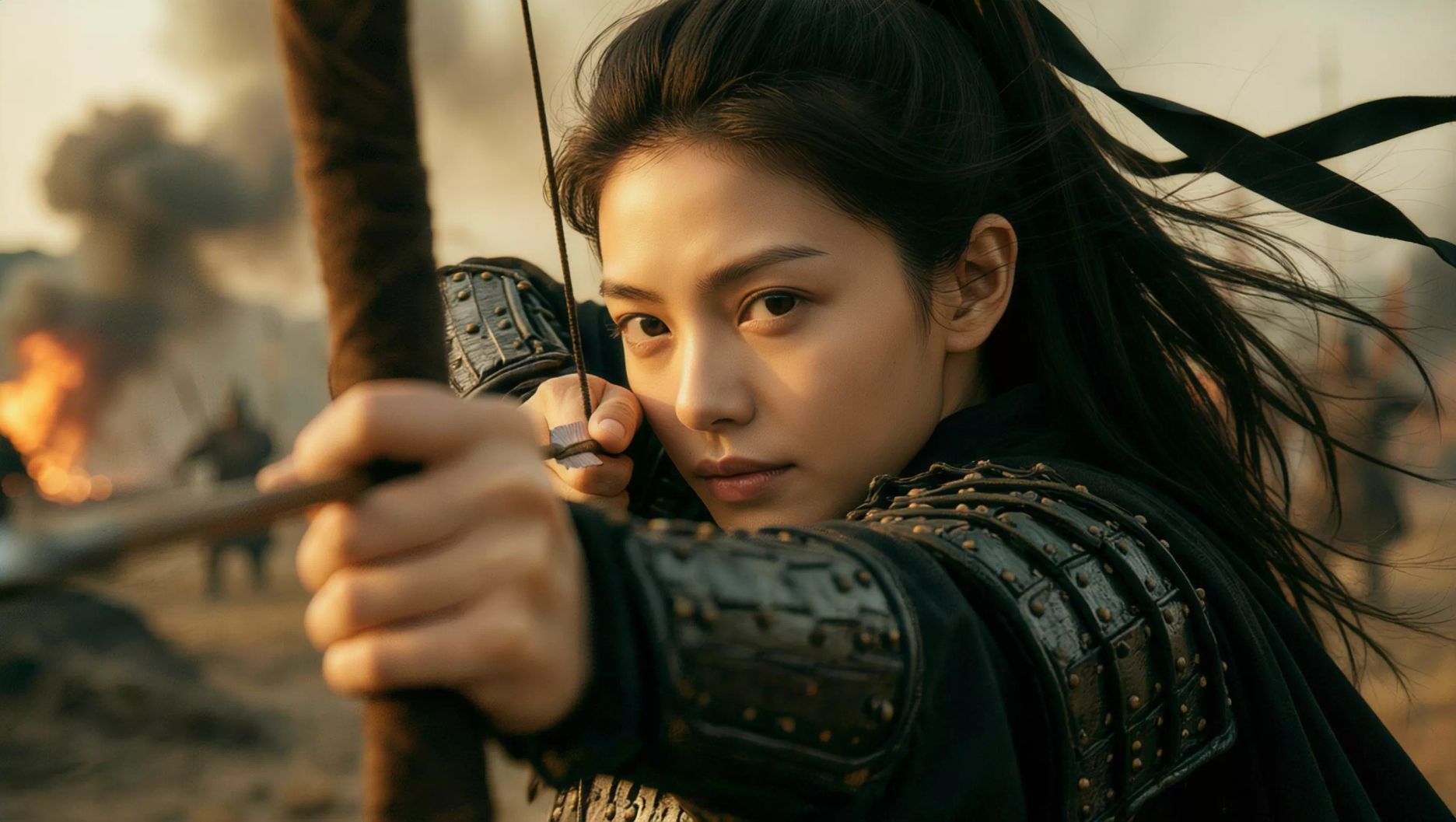 |
Advanced Consistency and Subject Locking
Maintaining a stable identity for characters or items is often the greatest difficulty in generative art. The current model series utilizes enhanced consistency engines to lock in core elements. Throughout a generation, the stylistic tone and overall atmosphere stay faithful to the original reference.
Multi Reference Blending and Portrait Logic
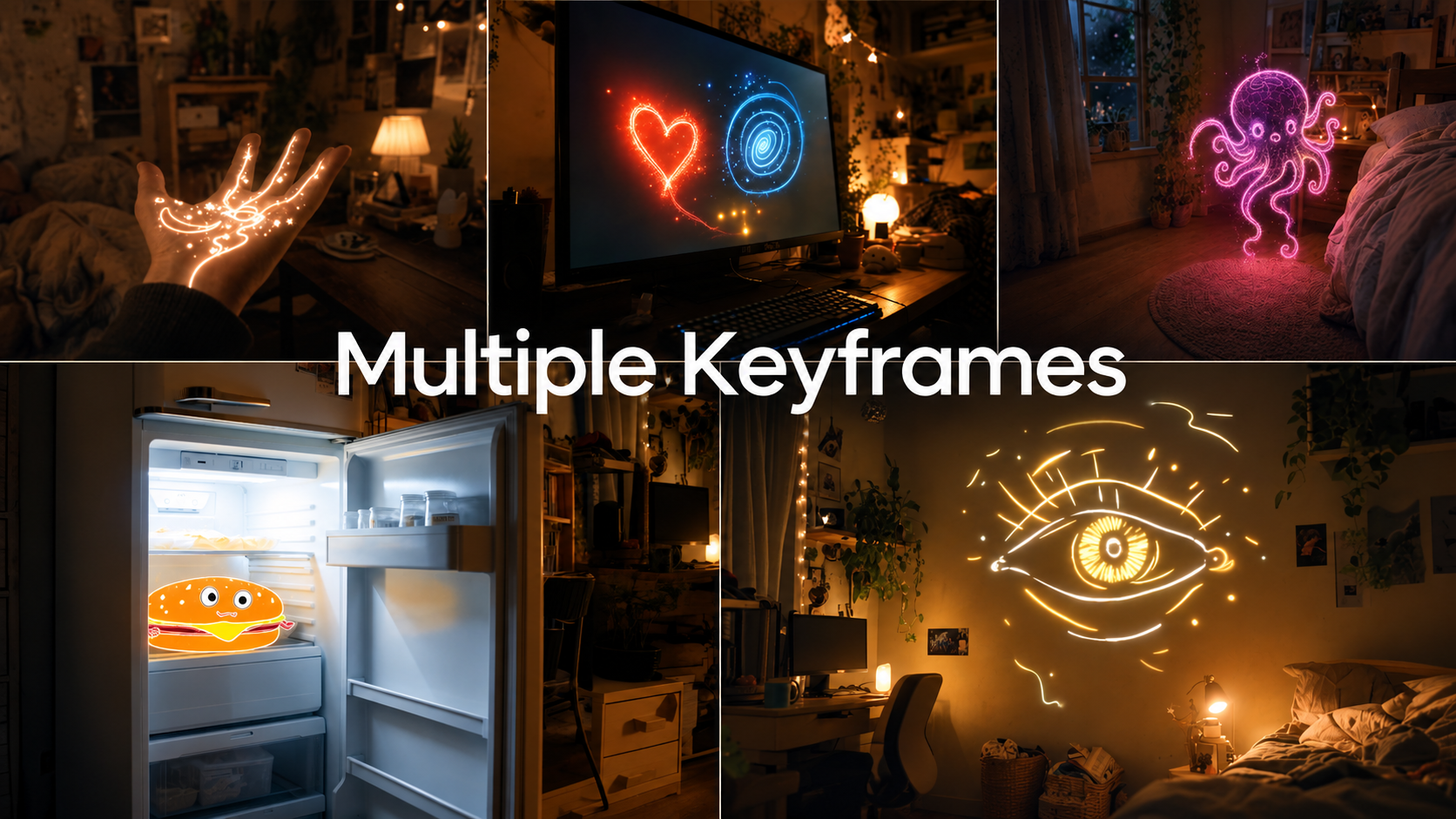
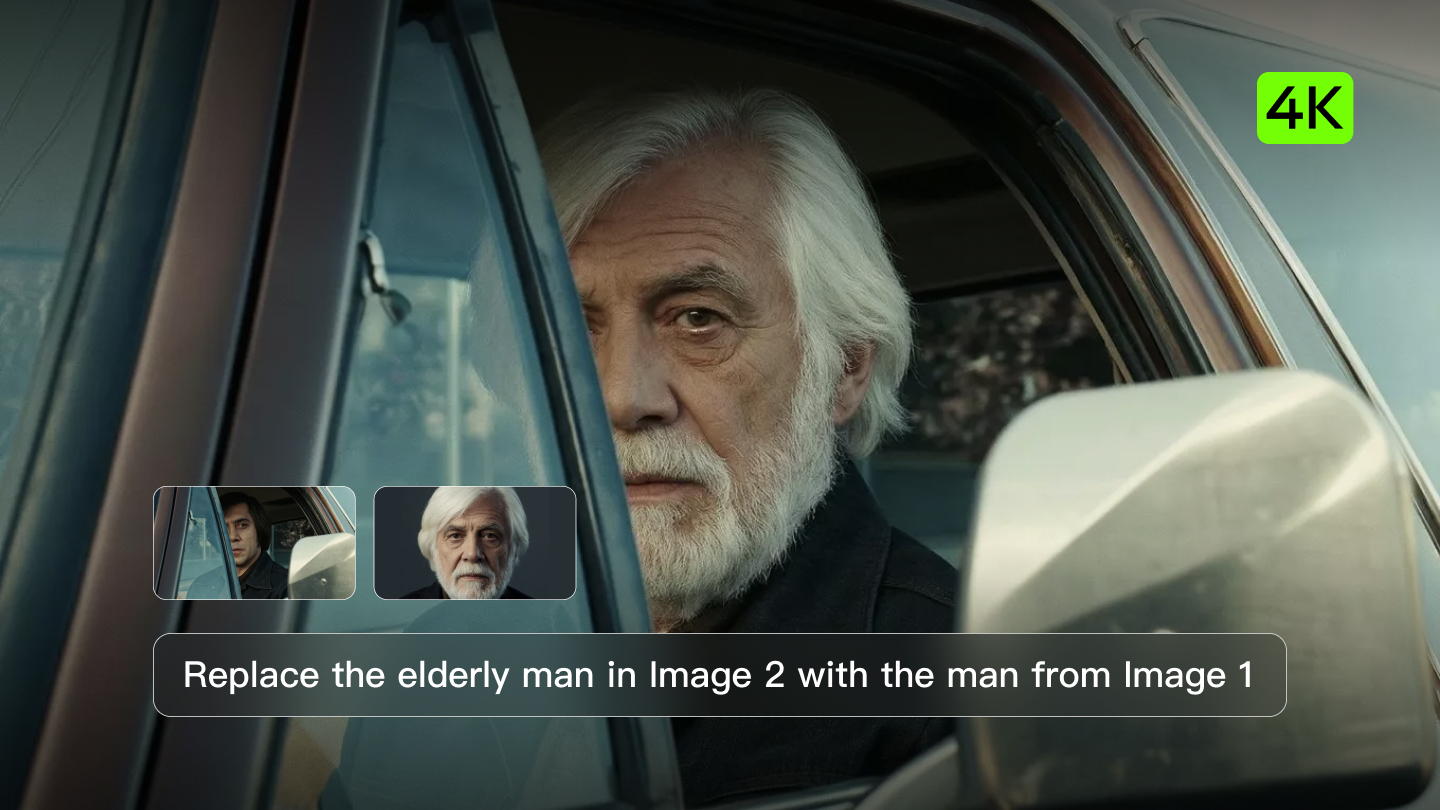
The Kling Image 3.0 Omni model supports the flexible use of multiple references. A user can blend a specific character portrait with a style transfer reference to create a unique look. For example, using a character from one image and placing it into a specific car from another image creates a unified visual system. Such multimodal reasoning allows the model to interpret comprehensive intentions with high accuracy.
The ability to lock facial identity from any angle is a major highlight. Whether the prompt requires a close-up or a mid-long shot, the character remains recognizable. Such a level of detail stability is achieved through an upgraded consistency engine that captures and stabilizes even the most subtle facial elements. Even in complex group scenes with three or more characters, the model independently locks the features of each individual.
Reference Image | Prompt | Output | |
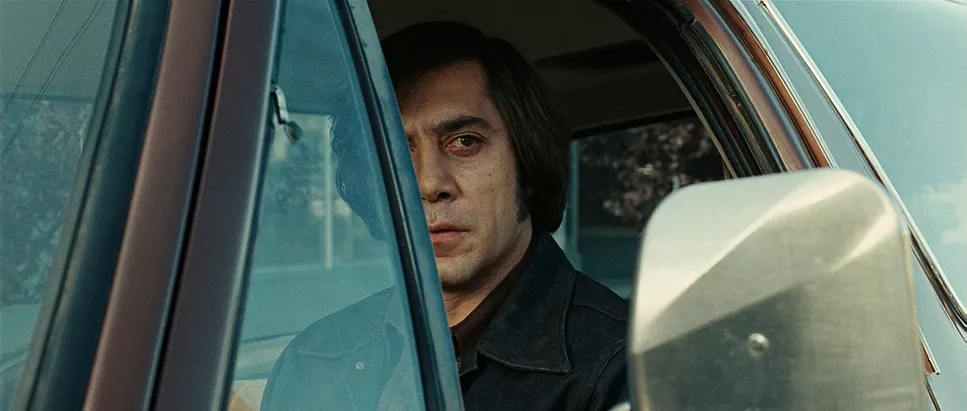 | 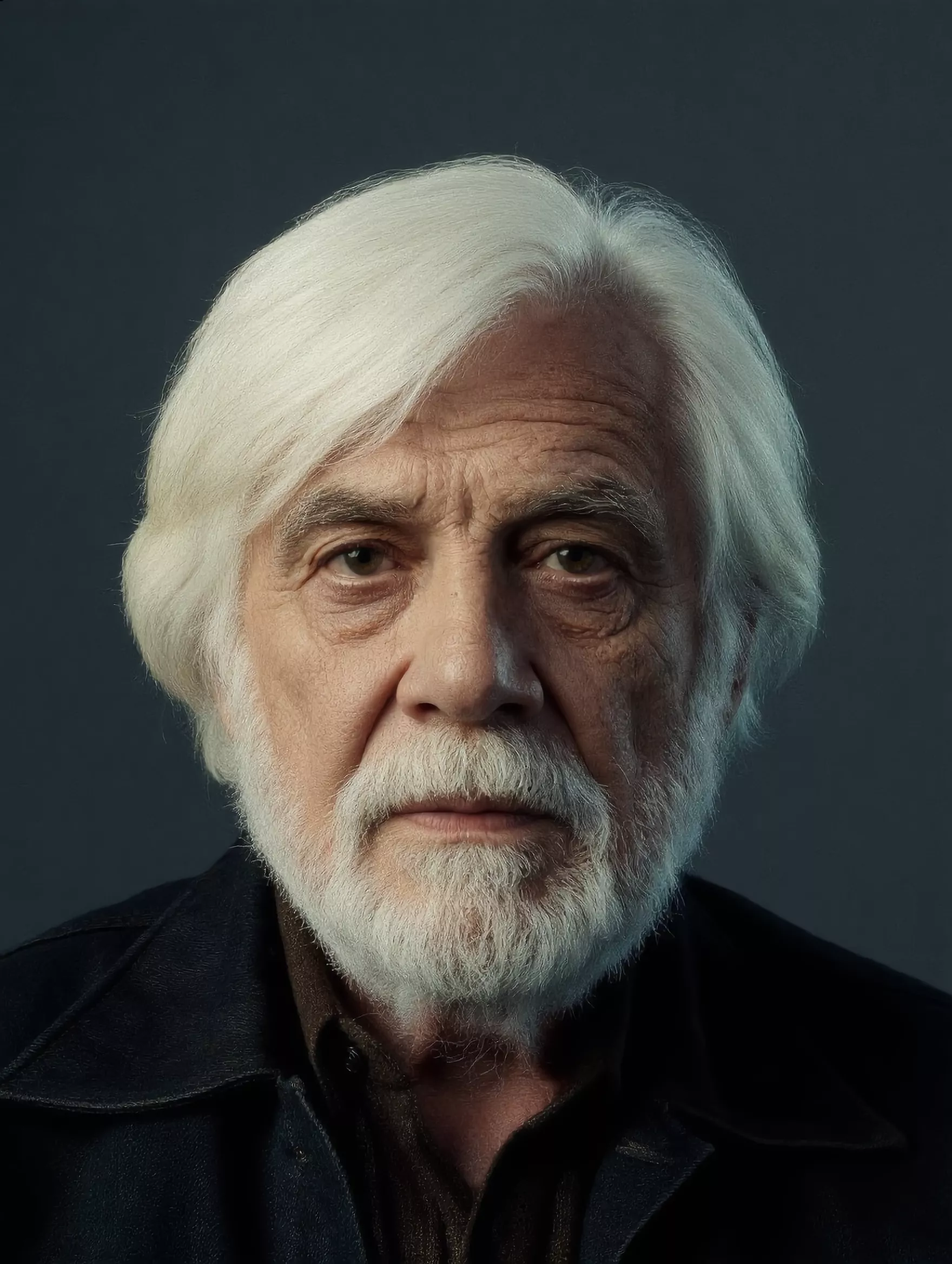 | Replace the elderly man in Image 2 with the man from Image 1, keeping the original tone and atmosphere, and replicate the man's expression. | 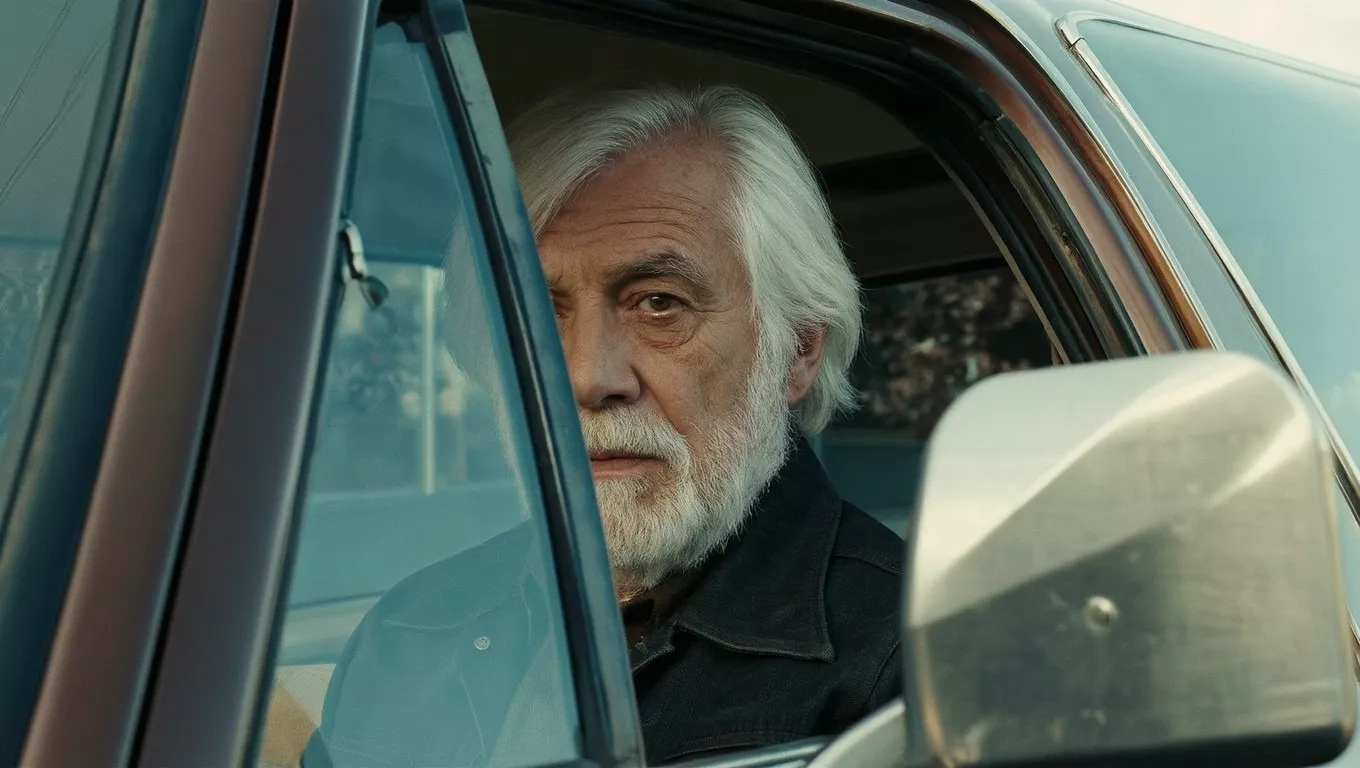 |
Text Retention and Precise Lettering
For commercial and e-commerce use cases, the preservation of text is a critical requirement. The model can retain or generate text such as signage, captions, and branded elements with high accuracy. Whether preserving details from an original image or creating entirely new text content, the model presents clear lettering in well-structured layouts. Such a capability is invaluable for creating advertisements where the logo must remain sharp and readable.
Consistency Feature | Description | Professional Benefit |
|---|---|---|
Subject Locking | Elements remain stable across frames | Professional character stability |
Multi Character Sync | Supports 3 plus characters in one pass | Complex narrative group scenes |
Text Precision | Clear lettering on signs and logos | E-commerce and brand marketing |
Precision in Local Re-editing
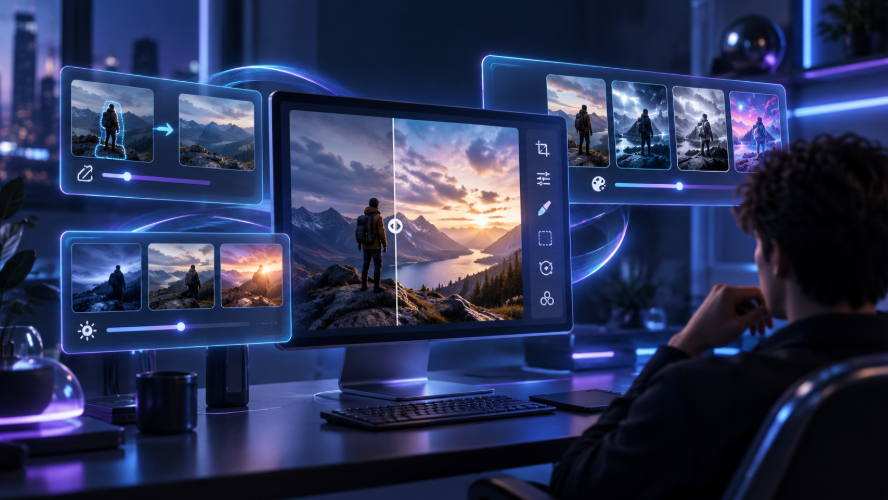
Creative work is a process of refinement. The current platform provides local re-editing tools that allow for specific modifications without altering the entire image. Such a feature provides robust support for fine-tuning concept art and scene designs.
A creator can change the environmental lighting to a sci-fi red and blue scheme while keeping the character unchanged. Or, a user might decide to change the wall color to a specific hex code while preserving the rest of the composition. Such granular control ensures that the final result aligns perfectly with the creative vision. Through accurately responding to detailed modifications, the model behaves as an intelligent partner in the production workflow.
The local editing capability also facilitates the addition or removal of specific items. If a scene requires a dog standing at a character's feet or a change in a character's clothing, the system handles these tasks with high fidelity. Such flexibility turns the AI into a tool for professional-level iteration, allowing for the rapid testing of different visual concepts.
Credit Consumption and Workflow Optimization
Accessing these advanced features involves a credit-based pricing system. The cost of a generation varies depending on the chosen resolution and whether advanced modes like the series mode or 4K output are selected. While higher resolution requires a larger credit investment, the efficiency of a single-pass generation provides a clear advantage for professional workflows.
Subscription plans offer a way to manage these costs effectively. Plans like the Ultra or Premier tiers provide a large monthly allotment of credits, as well as priority access to new features. Such a structured approach allows professional creators to plan their budgets and scale their output as needed. By utilizing the professional functions, users secure the highest quality results for their commercial or film projects.
Selecting the correct model mode is a strategic choice. Using lower resolution for initial brainstorming and then switching to 4K for the final production asset is a common professional practice. Such a workflow optimizes credit usage while guaranteeing that the final output meets industry standards. The ability to queue tasks and use fast-track generation further improves the efficiency of large-scale projects.
Frequently Asked Questions
Q1. How Does Native High Resolution Support Professional Visual Standards?
Native high resolution refers to pixels generated at full scale from the beginning of the process. Unlike upscaled images, which can lose detail, the 2K and 4K output from the Kling Image 3.0 Omni model provides richer textures and smoother color transitions. Such a level of detail is vital for professional outputs like film storyboards, high-definition posters, and brand promotional materials. It ensures that the final product remains sharp and realistic even on the largest high-definition displays.
Q2. What Is the Significance of Logical Coherence in a Visual Series?
Logical coherence ensures that every image in a set follows a consistent narrative flow. In the AI image series mode, the model focuses on maintaining scene relevance and narrative logic across multiple still frames. Such stability prevents visual contradictions between shots, such as changes in lighting or character features. Through achieving high consistency in stylistic tone and atmosphere, the system provides a complete visual world that is essential for effective storyboarding and concept design.
Q3. Why Is Material Quality a Key Factor in Reducing the Artificial AI Look?
Material quality involves the realistic presentation of textures like skin, fabric, and lighting. The current model series focuses on enhancing these natural elements to create a higher-quality visual experience. Through capturing the translucent quality of skin or the fine grain of a material, the model reduces the flat, plastic feel common in earlier AI versions. Such attention to detail provides a realistic touch that is necessary for professional-grade assets in the film and advertising industries.
Q4. How Does Multi-Reference Blending Empower Creative Intent?
Multi-reference blending allows a creator to combine several visual ideas—such as style, portrait, and environment—into a single coherent image. Through interpreting comprehensive intentions using multimodal reasoning, the model can accurately place a specific character into a new setting or apply a specific artistic style. Such a capability provides creators with total authority over the composition, allowing for the creation of unique and meaningful visual narratives that follow a strict creative path.
Q5. What Are the Primary Advantages of Using Local Re-editing in a Professional Workflow?
Local re-editing allows for specific adjustments to an image without changing the parts that are already successful. A user can modify the lighting, the background color, or even the clothing of a character while the rest of the composition remains stable. Such a granular level of control is necessary for reaching a production-ready result. Through minimizing the need for full re-generation, local editing improves efficiency and guarantees that the final output aligns perfectly with the original creative vision.
The End
The Kling Image 3.0 Omni model provides a complete visual system for professional creators. Through direct 4K output and the innovative AI image series mode, the platform achieves unmatched detail and logical narrative flow. Such tools redefine the standards of digital imagery, securing high-tier results for film and branding. Every creator now possesses the capability to build a coherent visual world with industrial-grade precision and creative freedom.