Cinema holds undeniable magic. A perfectly framed shot speaks volumes before an actor even breathes. Visual storytelling connects deeply with human emotion. The right combination of light, color, and structure transforms a simple scene into a captivating painted canvas. Every frame offers endless possibilities for creative exploration and profound visual expression.
What Defines The Formalist Visual Style?
Cinematography acts as the visual language of film. Formalist cinematography happens when a creator hones in on lighting, camera movement, color palettes, and set design with intense precision. Directors utilizing such techniques often present images in symmetrical, flat compositions. Such an approach furthers a storybook motif, letting viewers feel like they are moving through a dollhouse world. The imagery feels light and fluffy but appears in a direct, succinct, and precise manner. Generating a Wes Anderson style AI video requires understanding these foundational elements. A creator must meticulously craft directors style prompts to replicate such postmodern psychedelic surrealism. The camera remains a deliberate observer. Every prop sits exactly where it belongs within the frame.
How To Master Symmetrical Framing Prompts?
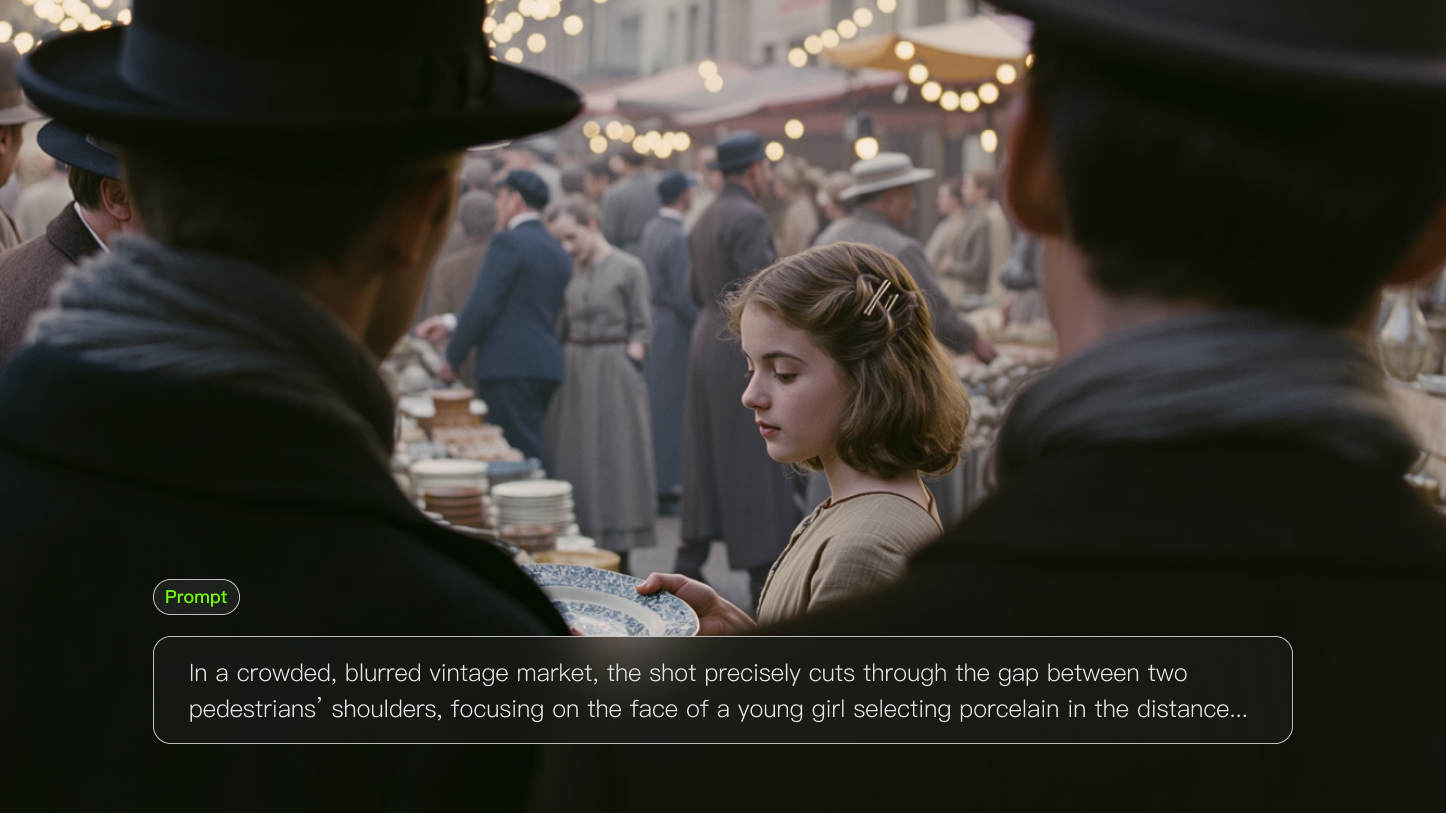
Symmetry stands as one of the most notable visual features in formalist films. Action on screen remains unusually centralized or mirrored, drawing attention to the precision involved. The psychological connection between the human brain and symmetry explains why its use feels so mesmerizing. Viewers naturally gravitate toward balanced images. Translating these concepts into text requires specific descriptive language. Creators must demand flat compositions and centered subjects in their written instructions. A camera placed at eye level, arranging all characters head-on, creates the desired aesthetic. A harmonious balance between straight lines and circles brings a sense of order, structure, and organization to each frame. The clever application of geometry results in a captivating image.
Choosing The Perfect Pastel Color Palette
Color defines the emotional resonance of a scene. Exaggerated use of color creates a world far removed from reality. A distinct, premeditated assembly of colors defines every scene. Muted browns, yellows, and reds frequently dominate the frame. Charming pastel colors provide a nostalgic signature. Often, bright colors appear in contrast to sad events, adding emotional weight to the narrative. Utilizing specific hex codes guides the generation process. Palettes might include combinations like hex code number 72dfff, fa8072, fe9c1f, and 008080. Other nostalgic palettes incorporate a7ba42, 95ccba, and ffdede. Instead of asking for pleasant hues, a creator should name exact shades. Words like muted mustard yellow, faded pastel pink, and soft cyan guide the engine effectively.
Which Camera Movements Elevate The Narrative?
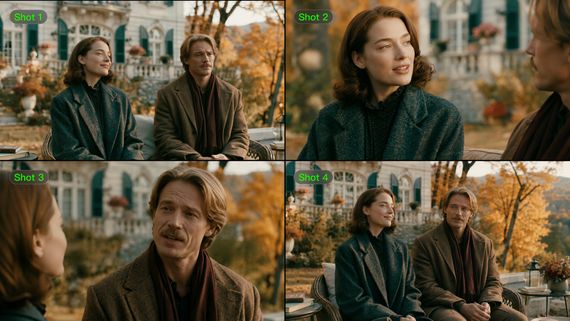
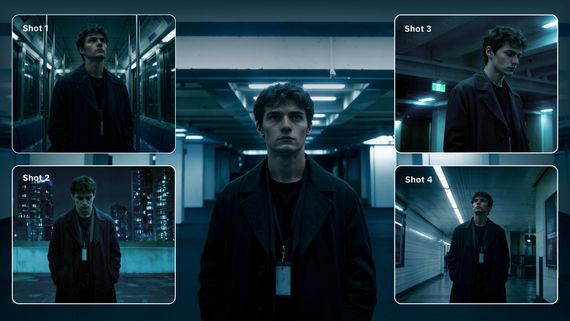
Motion dictates how an audience perceives a scene. A static camera feels objective. A slow, deliberate pan across a room reveals information methodically. In geometric filmmaking, the camera rarely shakes. It moves on invisible tracks. A push forward draws the viewer into a character's thought process. A pull backward reveals the absurdity of a larger environment. Incorporating these movements requires specific action verbs in the written text. Kling VIDEO 3.0 supports Multi-Shot creation, and Custom Multi-Shot can define shot duration, shot size, perspective, narrative content, and camera movement. Creators can orchestrate precise movements to maintain the storybook illusion while advancing the narrative. Controlling motion in video generation demands clear direction. A prompt should state a perfectly horizontal tracking shot. Complex emotions are faithfully reproduced when the camera remains steady.
Structuring Prompts For Seamless Scene Transitions
Short clips limit narrative depth. The extended generation duration now reaches up to fifteen seconds. The system breaks through previous duration limits. Fifteen seconds of continuous video allows for complete thoughts and actions. A creator can let the artificial intelligence help build a scene with more shots and coverage. Multi-shot narratives provide powerful cinematic capabilities. Storyboard Narration offers free duration, custom shots, and precise control. Generating longer clips means more creativity per output, allowing complex actions to unfold naturally. The system supports scene transitions, accommodating up to six shots. An effective prompt details the starting frame, the middle action, and the final resting point of the camera. The text acts as a structural blueprint.
Prompt | Output |
|---|---|
| Ultra-wide medium-long shot with horizontal tracking opening, low-angle stabilizer movement near the ground, high-contrast romantic cinematic color grading with cold blue night and silvery starry sky, poetic realism and classical epic atmosphere; the subject is a young woman in a dark green long dress running at full speed on moonlit garden grass, skirt billowing in the wind with dynamic curves, holding a small white flower in her right hand and lifting her skirt with her left, breathing heavily with a determined gaze; at the 4-second mark, as she accelerates, several men and women in vintage formal attire enter the frame from both sides, running parallel to her, some try to approach or shout back but no one touches her, suggesting a chase and escape; at the 8-second mark, the camera zooms into a medium shot, pans to the front for tracking and rises slightly, she glances back at a young man as their eyes meet for a moment with emotions surging, then the woman and man hold hands to run together; at the 12-second mark, the music and action reach a climax as the camera stays close to her profile and flying hair while she releases the white flower into the air, which falls in slow motion as the crowd behind passes by; in the final 3 seconds, the camera continues to push forward without stopping as the couple breaks through the crowd and runs toward the starry sky at the end of the garden, their figures gradually occupying the center of the frame; the overall atmosphere is intense, romantic, and resolute, like an explosive narrative of fate, choice, and freedom. | 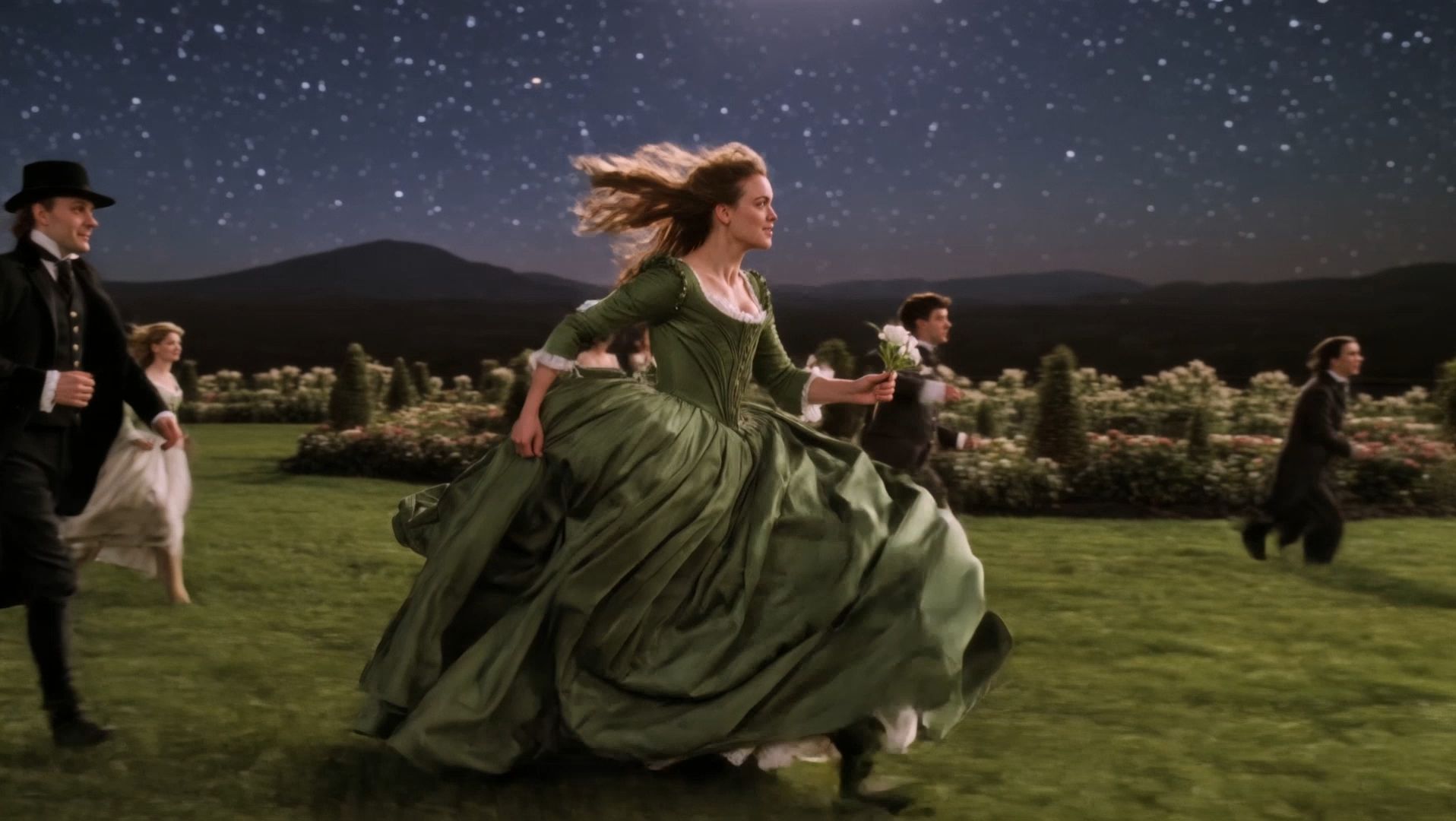  |
Integrating Native Audio With Visual Storytelling
Silent films only tell half a story. Silence no longer limits creative artificial intelligence. The Kling VIDEO 3.0 Omni model supports native audio capabilities. Native audiovisual synchronization brings life to generated content. The system supports dialogue output in five languages, specifically Chinese, English, Japanese, Korean, and Spanish. A creator can mix languages within a single video. The engine matches the pronunciation and enables smooth transitions. The model also generates ambient sound and background music matching the semantic meaning of the prompt. Such an auditory layer completes the cinematic illusion. Audio layers create immersive atmospheres that elevate the overall viewing experience immensely. The Omni framework integrates the voice directly into the character identity.

Maintaining Character Consistency Across Multiple Generations
A film requires characters to look identical from scene to scene. The Element Library starts the journey toward professional audiovisual production. All-in-One Reference provides enhanced consistency, becoming more responsive and dynamic. Subject consistency now supports cameos and subjects with voice control. The system delivers a consistent facial identity from any angle. High fidelity restoration works wonderfully even with face occlusions. Creators can rely on consistent facial clarity across dynamic framing. Such stability allows a creator to tell a cohesive story over multiple scenes. Uploading up to four images from different angles defines a precise appearance. A single character can then appear across multiple different environments seamlessly. Once a subject is created, the voice remains locked to the character.
Applying Lighting Techniques For Dollhouse Aesthetics
Lighting shapes the mood entirely. Formalist cinematography relies heavily on intentional illumination. Usually, soft, diffused lighting removes harsh shadows, adding to the storybook feel. The lighting often sits on one side of a subject's face to create dynamic contrast. In-text commands, specifying soft volumetric lighting or diffused studio light, achieve excellent results. The goal is a flat, even look mimicking a meticulously lit diorama. Unnatural or overly dramatic shadows break the delicate visual illusion. Keeping the illumination gentle and precise maintains the whimsical atmosphere required for the style. Soft lighting perfectly complements the pastel color palettes, enhancing the nostalgic tone without overpowering the carefully arranged geometric compositions.
Formulating Detailed Wardrobe And Set Descriptions
Costumes tell the audience who a character is immediately. Nostalgic clothing choices enhance the surreal visual tone. Prompts should describe vintage suits, pastel dresses, and quirky accessories. Words like corduroy, tweed, and pastel knit direct the generation toward appropriate vintage textures. Every piece of clothing must align with the chosen color palette. The environment acts as a silent character. Describing a setting requires naming specific architectural elements. Vintage wallpaper, antique furniture, and perfectly aligned props are essential. A creator should prompt for retro rotary phones, mid-century modern desks, or ornate wallpaper patterns. The set must feel completely controlled and artificial. Nothing is random. Every object exists for a specific geometric purpose.
Perfecting The Use Of Negative Space
Empty space speaks as loudly as occupied space. Negative space provides visual breathing room within a frame. It emphasizes the isolation or smallness of a subject. Prompts should specify a vast empty background or a large area of negative space above the subject. Such instructions prevent the engine from cluttering the image. In geometric filmmaking, clean backgrounds highlight the subject and maintain order. A cluttered frame distracts the audience from the primary emotional focus. Controlling what is absent from the frame is equally important. The balance between empty and filled space dictates the overall visual rhythm. When writing prompts, explicit instructions regarding negative space guarantee the composition remains mathematically pleasing and true to the formalist doctrine.
Achieving High Definition Visual Fidelity Outcomes
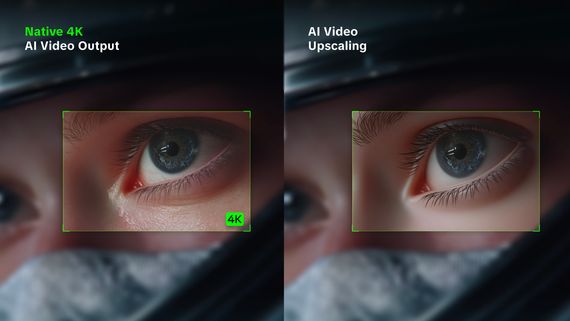
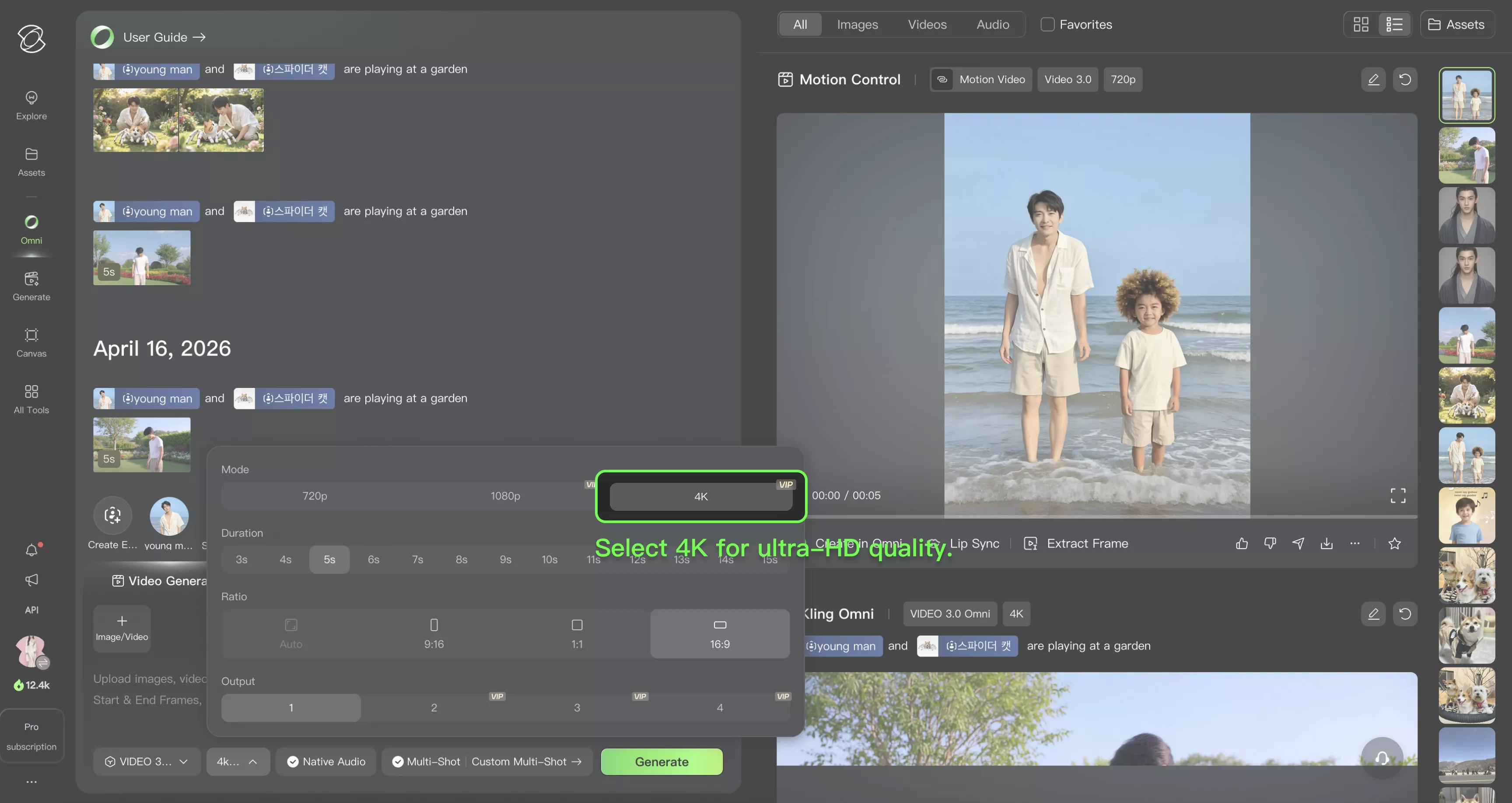
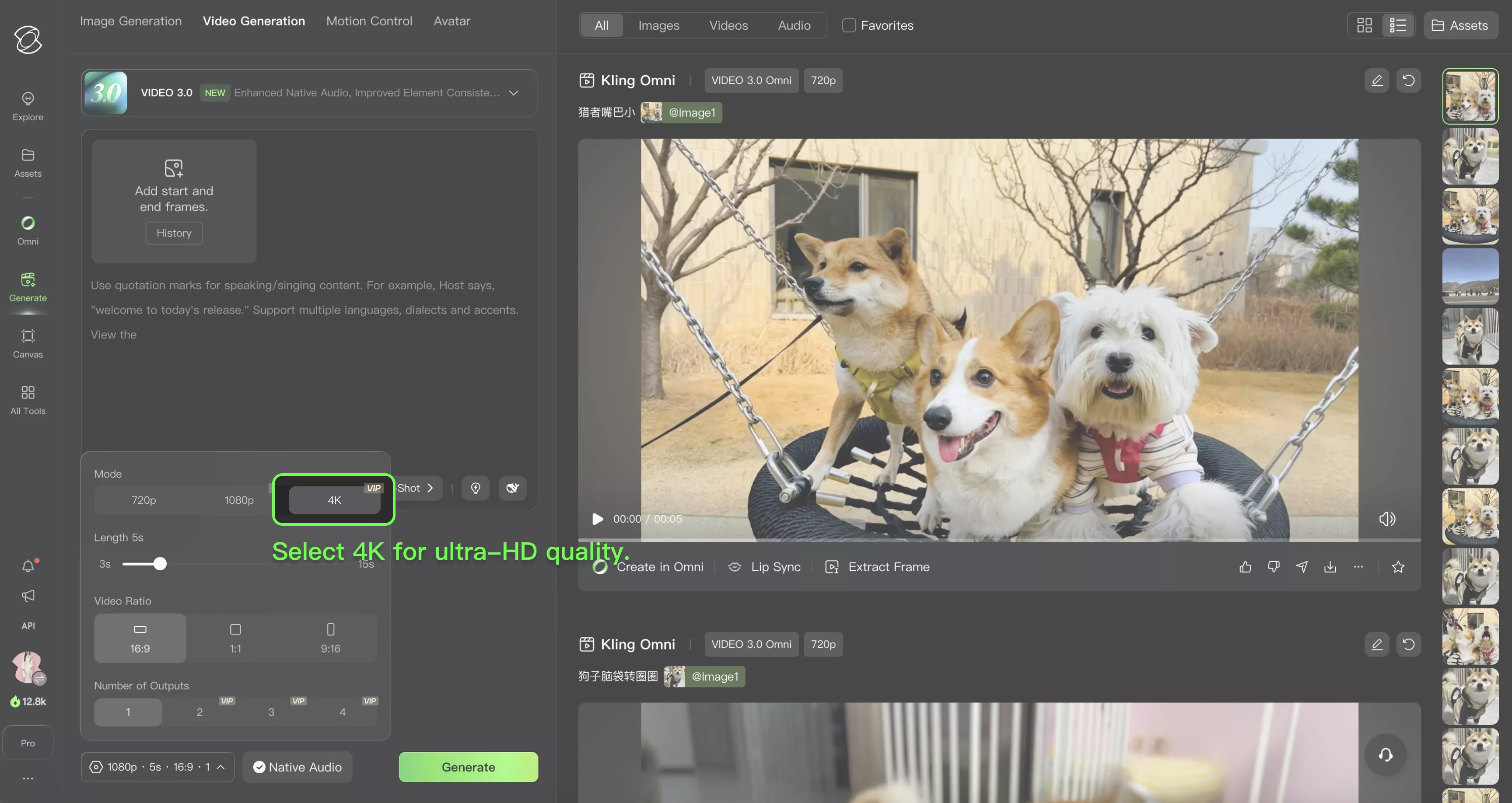
Clarity depends on direct visual instructions: sharp focus, clean composition, readable details, and lighting that supports the intended style. For scenes that include signs, labels, captions, or patterned surfaces, keep the text short and describe its placement, surface, and camera distance clearly.
When the scene also includes sound, use Native Audio prompts for dialogue, sound effects, or ambience, but keep resolution, visual detail, and audio direction as separate planning choices.
Access to Kling VIDEO 3.0 Series Model - VIDEO 3.0 Omni | Access to Kling VIDEO 3.0 Series Model - VIDEO 3.0 |
|---|---|
 |  |
Your Next Masterpiece Awaits
Generating a cinematic masterpiece requires precise text instructions and an understanding of formalist visual theory. Meticulous attention to symmetry, pastel colors, and controlled camera movements yields stunning storybook visuals. Ready to elevate your digital artistry?
Appendix: Ten Prompts To Recreate The Style
Applying theoretical concepts to actual text instructions requires practical examples. Use the following directors style prompts to generate perfect Wes Anderson style AI cinematic sequences.
Prompt One: Symmetrical Hotel Lobby
Instruction: Generate a fifteen-second continuous video in 1080p resolution. The scene features a perfectly symmetrical vintage hotel lobby. Place the camera at eye level for a flat composition. Use a pastel color palette consisting of faded pastel pink and muted mustard yellow. A concierge stands directly in the center, facing forward. Enable native audio to output dialogue in English. Apply soft volumetric lighting.
Analysis: The fifteen-second duration allows the dialogue to unfold naturally. Specifying 1080p resolution guarantees the intricate wallpaper patterns remain crisp. Requesting native audio enables the character to speak with precise lip sync.
Prompt Two: Retro Train Compartment
Instruction: Create a multi-shot narrative sequence using three distinct shots. The environment is a retro train compartment. Use hex code 72dfff cyan and muted brown for the interior colors. Shot one features a perfectly horizontal tracking shot moving right. Shot two is a static eye-level view of two characters sitting perfectly still. Shot three is a slow pull backward. Include native ambient sound and background music matching the visual tone.
Analysis: Utilizing the multi-shot feature builds a complex narrative flow. The engine handles scene transitions flawlessly, supporting up to six shots total. Adding semantic background music completes the cinematic atmosphere natively.
Prompt Three: Consistent Character Office
Instruction: Utilize the element library to load a consistent facial identity. The character wears a vintage tweed suit. Place the subject in a meticulously organized mid-century modern office. The background contains vast empty space above the subject. The camera remains completely static. The lighting is heavily diffused studio light. Generate native audio lip sync for the character speaking Spanish.
Analysis: The Element Library maintains the exact facial identity across generations from any angle. The system locks the chosen voice directly to the character identity. Multilingual support allows the character to deliver the performance flawlessly in Spanish.
Prompt Four: Vintage Pastel Bakery
Instruction: Generate a video in 1080p resolution. Frame a vintage bakery storefront from a direct eye-level perspective. Use a color scheme of hex code ffdede, pink, and soft mint green. The camera remains perfectly static. Add soft lighting to remove harsh shadows. Include native background music matching a cheerful semantic meaning.
Analysis: A static camera emphasizes the flat composition and architectural symmetry. The native background music adds a layer of emotional resonance without requiring external audio editing tools. 1080p resolution keeps the bakery window displays perfectly sharp.
Prompt Five: Symmetrical Dining Room
Instruction: Create a fifteen-second continuous video. The scene is a formal dining room decorated in muted mustard yellow and soft cyan. Place a large rectangular table exactly in the center. The camera executes a very slow pull backward. The subjects sit silently. Enable native audio to output background conversational dialogue in Japanese.
Analysis: Pushing the generation to fifteen seconds provides enough time for the slow camera pull to feel deliberate and cinematic. Adding Japanese dialogue through the native audio engine enhances the global cinematic feel effortlessly.
Prompt Six: Quirky Library Archive
Instruction: Start a video generation featuring a perfectly horizontal tracking shot. The setting is a detailed library archive filled with retro rotary phones and aligned books. Use hex code 008080 teal for the shelving. The camera glides smoothly to the right. Use diffused studio lighting. Request precise lettering capabilities for the book titles.
Analysis: Horizontal tracking requires precise motion control to maintain the geometric illusion. The native level text output capability guarantees that any visible book titles appear clearly rather than as distorted shapes.
Prompt Seven: Ocean Exploration Vessel
Instruction: Build a multi-shot sequence using four distinct shots. The location is the deck of a brightly colored research ship. The dominant color is hex code 72dfff cyan. Shot one is a wide static shot. Shot two pushes forward slowly. Shot three is a symmetrical close-up. Shot four pulls backward. Generate native ambient sound of ocean waves.
Analysis: Controlling four distinct shots within one prompt requires the Storyboard Narration feature. The engine seamlessly connects the shots while the ambient ocean sound creates a continuous auditory environment across the cuts.
Prompt Eight: Telephone Booth Conversation
Instruction: Generate a fifteen-second clip in 1080p. A character wearing vintage corduroy stands inside a bright red telephone booth. Leave a large area of negative space around the booth. The camera sits at eye level and does not move. Utilize the element library for subject consistency. Output native audio dialogue in Korean.
Analysis: The fifteen-second duration accommodates a complete sentence of Korean dialogue. Subject consistency combined with native lip sync provides a highly realistic and emotionally engaging performance without breaking the visual aesthetic.
Prompt Nine: Mountain Observatory
Instruction: Frame an old mountain observatory against a vast, empty sky. The color palette incorporates 7ba42 green and faded pastel pink. The camera is locked off in a flat composition. The lighting removes all dramatic shadows. Generate a sign on the building utilizing precise lettering capabilities. Enable native ambient wind sounds.
Analysis: The strict flat composition and lack of dramatic shadows mimic the dollhouse effect perfectly. Utilizing precise lettering guarantees the observatory sign reads correctly, adding crucial detail to the artificial world.
Prompt Ten: Symmetrical Garden Maze
Instruction: Create a multi-shot narrative using two shots. The environment is a perfectly manicured garden maze. Use deep greens and muted browns. Shot one is a static wide shot of a character in the center. Shot two is a slow push forward toward the character. Keep facial identity consistent. Generate native background music.
Analysis: The multi-shot function transitions from the establishing wide shot to the intimate push forward effortlessly. Maintaining facial clarity across the dynamic framing keeps the viewer focused on the character's emotional state.