
Kling 4.0 is now in closed beta, with an official launch coming this October.
Kling 4.0 brings video creation to a new level of visual realism, creative control, and narrative completeness, with upgraded audio and visuals, including stable dynamic motion, high-quality stereo audio, more accurate lip sync, up to 4K resolution, and 10-bit HDR output.
But specs only tell part of the story. What happens when you actually put Kling 4.0 to work?
To find out, we invited Johnson Sheng, Kling AI Creative Partner and Senior Creative Director at Ogilvy, to put Kling 4.0 through the lens of commercial production.
Let’s hear what he has to say.
Notes from the Creator
Creator: Johnson Sheng
Kling AI Creative Partner; Senior Creative Director at Ogilvy; Champion of WPP Future Readiness Shanghai. With 28 years of experience in advertising, film, and television production, he has long explored ways to integrate innovative technologies with traditional filmmaking expertise. He consistently evaluates AI video models against the standards of professional production and commercial delivery.
Ever since video generation models first emerged, Kling has stood in a league of its own, distinguished by its refined visual quality and richly layered dynamic performance.
Since the beginning of this year, the industry’s expectations for AI video generation have entered a new phase. Models are now expected not only to be more intelligent and better at understanding complex requirements, but also to support longer sequences and more stable multimodal references. As a result, omni-reference generation has become a mainstream approach.
After patiently waiting while the Kling team refined the model, Kling 4.0 is finally here. As a video creator, I couldn’t be more thrilled! With countless contenders showcasing their strengths and fierce competition unfolding across the industry, what an exciting time to be creating.
The moment I received access to test the model, I switched straight into strict-reviewer mode. Here is my hands-on assessment.
1. Cameras Move Boldly, Action Stays Steady
In my view, discussing a video model’s intelligence, aesthetics, understanding of editing, or multimodal editing capabilities before testing its stability during sweeping camera movements and dynamic motions is, frankly, a little disingenuous.
Stability is a non-negotiable benchmark—and one of the most critical factors in commercial delivery today. AI-generated video is already widely used in commercial advertising. Although it introduces a new production workflow, clients still judge the final content by traditional quality standards. Every AI-generated film intended for commercial release undergoes frame-by-frame review by both the agency and the client. Even the slightest blur is unacceptable.
In the past, producing commercial advertisements with AI often meant generating a huge number of takes and relying heavily on editing to piece together a sharp final cut from piles of unusable footage. To preserve visual quality, we frequently had to abandon ambitious dynamic-motion designs and compromise the story.
After using Kling 4.0, however, I found that creators no longer need to carry this concern. We can focus our energy entirely on refining the content. Let’s begin with a test clip.
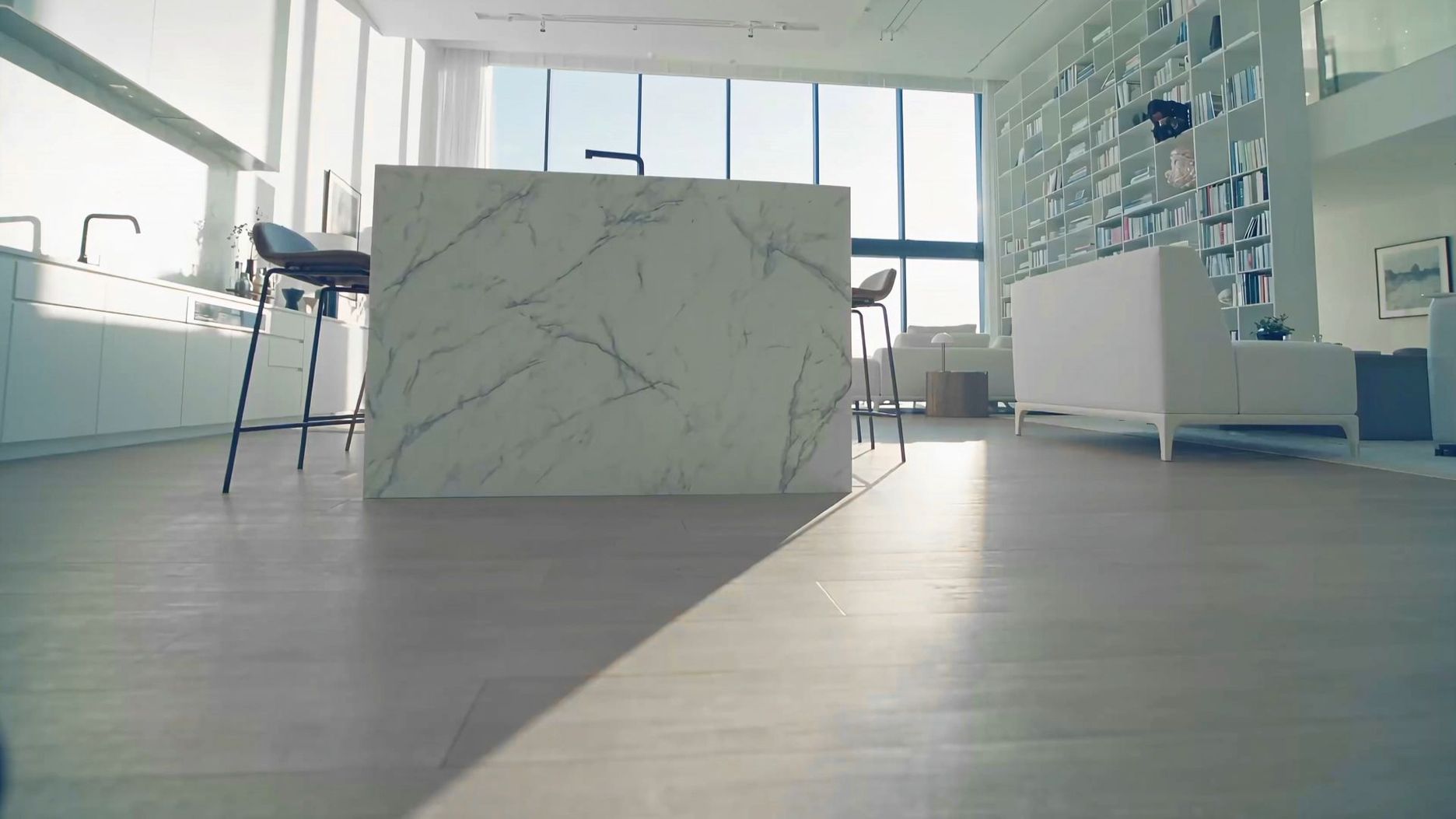

The video shows a man performing a dodging motion while holding a “Cat Rifle.”
As you can see, the protagonist’s movements are crisp and decisive, without the slightest trace of ambiguity or blur. It is worth noting that this shot was not generated from an existing storyboard. Instead, it was created using only subject and scene assets. The model not only understood the physical relationship between the character and the cover in the environment, but also accurately rendered the character’s posture while holding the “Cat Rifle.” Kling’s comprehension has clearly reached another level.
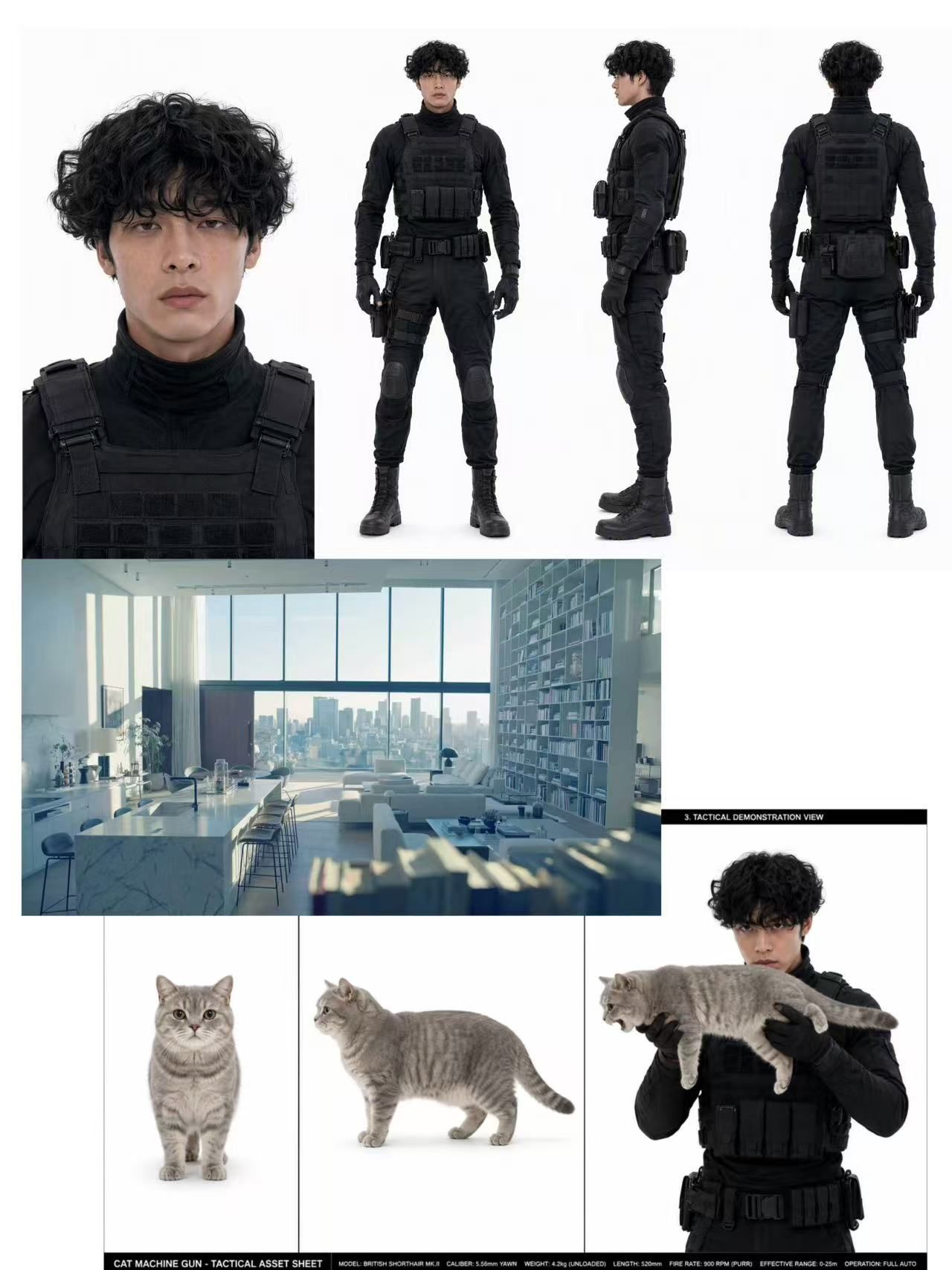
The images above are the subject and scene assets provided to the model.
In another test scenario, the character’s movements remained stable even during a high-speed whip pan and a rapid handheld push-in. According to my setup, the character also had to fire the “Cat Rifle.” Many video models struggle to truly understand such unconventional props and the action logic associated with them, but Kling clearly understood exactly what I wanted. Here are the test results.
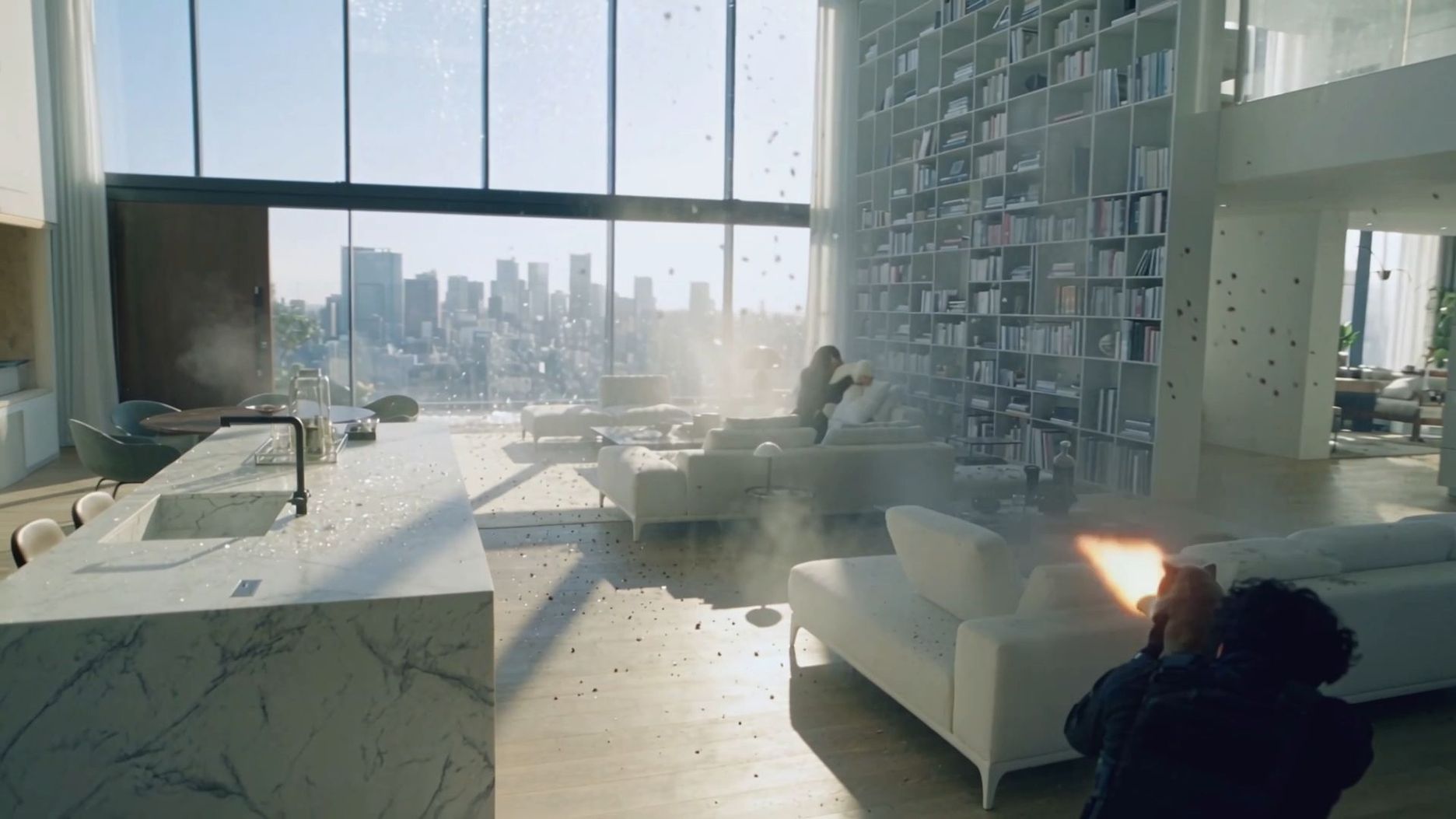
In the high-speed whip pan shot, the character’s motion remains stable.

In the handheld push-in shot, the character’s motion remains stable.
Of course, a few short clips are not enough to prove the point. The examples above are merely the basics. Next, it is time to turn up the intensity.
2. Long Takes Keep Flowing, Fight Scenes Stay Coherent
Kling 4.0 can now generate videos up to 30 seconds long. So, using just two subject assets and a single scene image, I put it straight to the test with a complete 30-second fight sequence.
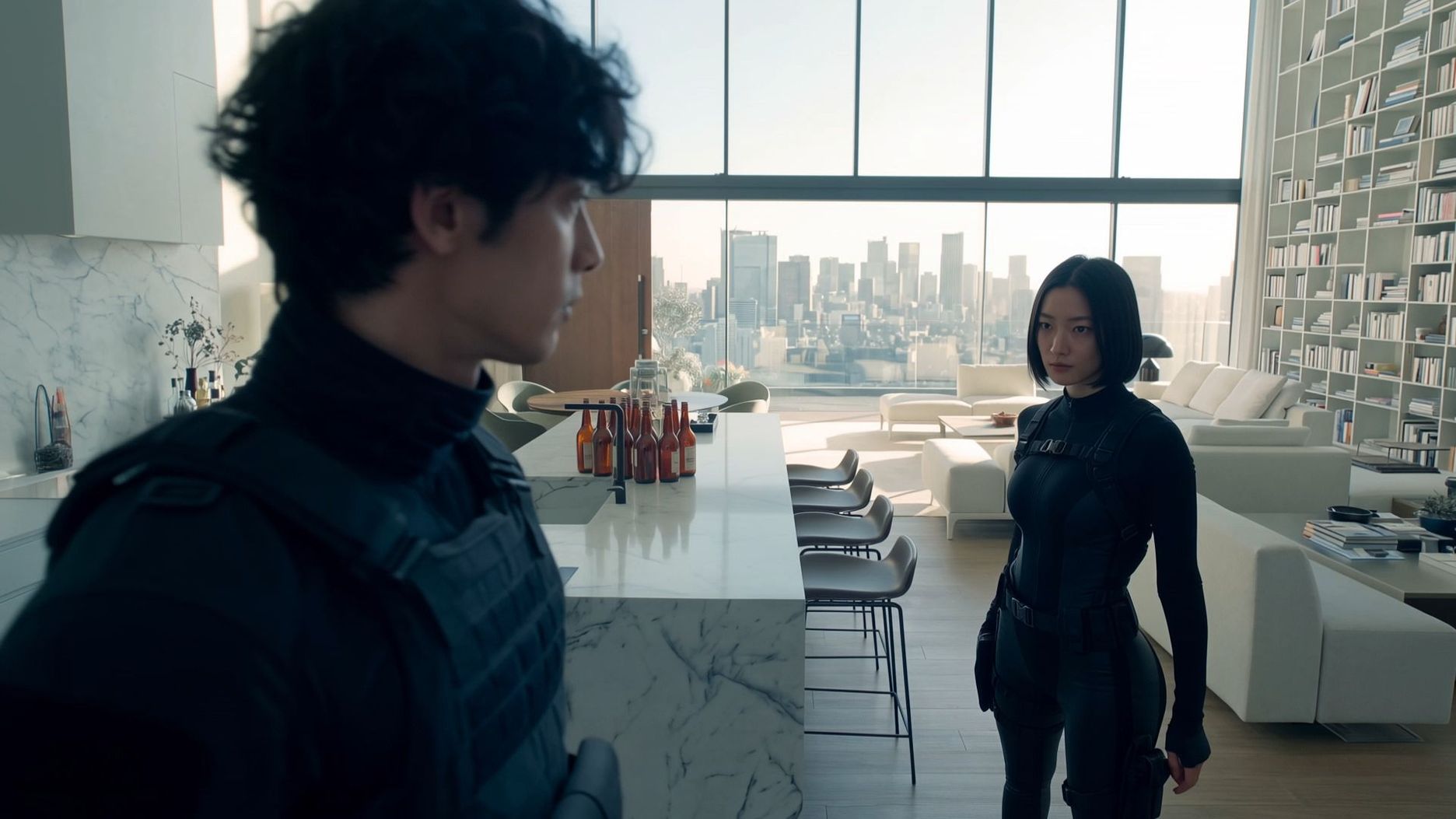
Native 30s Fight Scene Video Generation
The result: stable from start to finish, with no visual breakdowns—and no slow motion used to disguise the difficulty of generation. More importantly, the fight is not simply a mechanical string of actions. It follows a clear logic: every move flows naturally into the next, while the characters continuously interact with their surroundings in real time—smashing bottles, vaulting over a sofa, crashing into a bookshelf, grabbing a book to use as a prop, and finally cracking the window glass under pressure.
The entire sequence was generated as a single, unedited take, and there is almost nothing to fault. The only minor hiccup is the eye-poking move at the end, which looks unintentionally amusing—but that has more to do with my prompt than the model itself.
The prompt used for this test was an 1,000-character prompt written with Skill. The model accurately interpreted the creative intent within such a long block of text while executing complex actions and spatial relationships. This demonstrates a clear improvement in its ability to understand long prompts and complex requirements. With the dynamic-motion test passed, the next thing to examine is another core capability that directly affects commercial viability: consistency.
3. Scenes Keep Changing, Faces Stay Consistent
Maintaining consistency has long been a major disadvantage in video generation. Once a subject library is established, Kling 4.0 performs exceptionally well at preserving consistency across characters, props, and environments. At the same time, its rendering of lighting and color within the same scene retains the nuanced quality for which Kling is known. For this test, I provided specific reference images of the environment and the prop, then had two characters move between scenes while fighting over a cross-shaped lockbox. Here are the results:

Reference images for the scene and prop

Video clip generated with Kling 4.0
Once again, the video was generated as a single, unedited take. The model independently worked out the different camera angles within the library setting. Meanwhile, the cross-shaped lockbox—the central prop driving the story—remained stable throughout, with no changes to its shape or details across shots.
You could replace this cross-shaped lockbox with a can of cola, a smartphone, or any hero product featured in a commercial. Omni Reference can reliably present a product from different angles while maintaining its consistency across shots. For commercial advertising, this is exactly the kind of model capability that is urgently needed—and one that delivers substantial value.
4. Lines Carry Emotion, Performances Feel Human
A commercial cannot rely on action and product shots alone. Whether a character’s delivery feels human and whether the emotion lands accurately directly determine the credibility of the entire film. Advertising lines, in particular, should never be delivered in a mechanical, hard-sell manner. Warm, enthusiastic, authoritative, rousing, or restrained with a clear sense of boundaries—each advertising scenario calls for a distinctly different attitude and tone.
Character performance and cinematic expression have always been among Kling’s strengths. As early as the Kling 3.0 era, its character performances were already excellent. So this time, I did not deliberately design an overly elaborate or in-depth test; I simply ran a few demos to validate the capability. With the same voice-over line, even slight adjustments to the prompt are enough to produce performances with distinctly different attitudes, emotions, and tones.
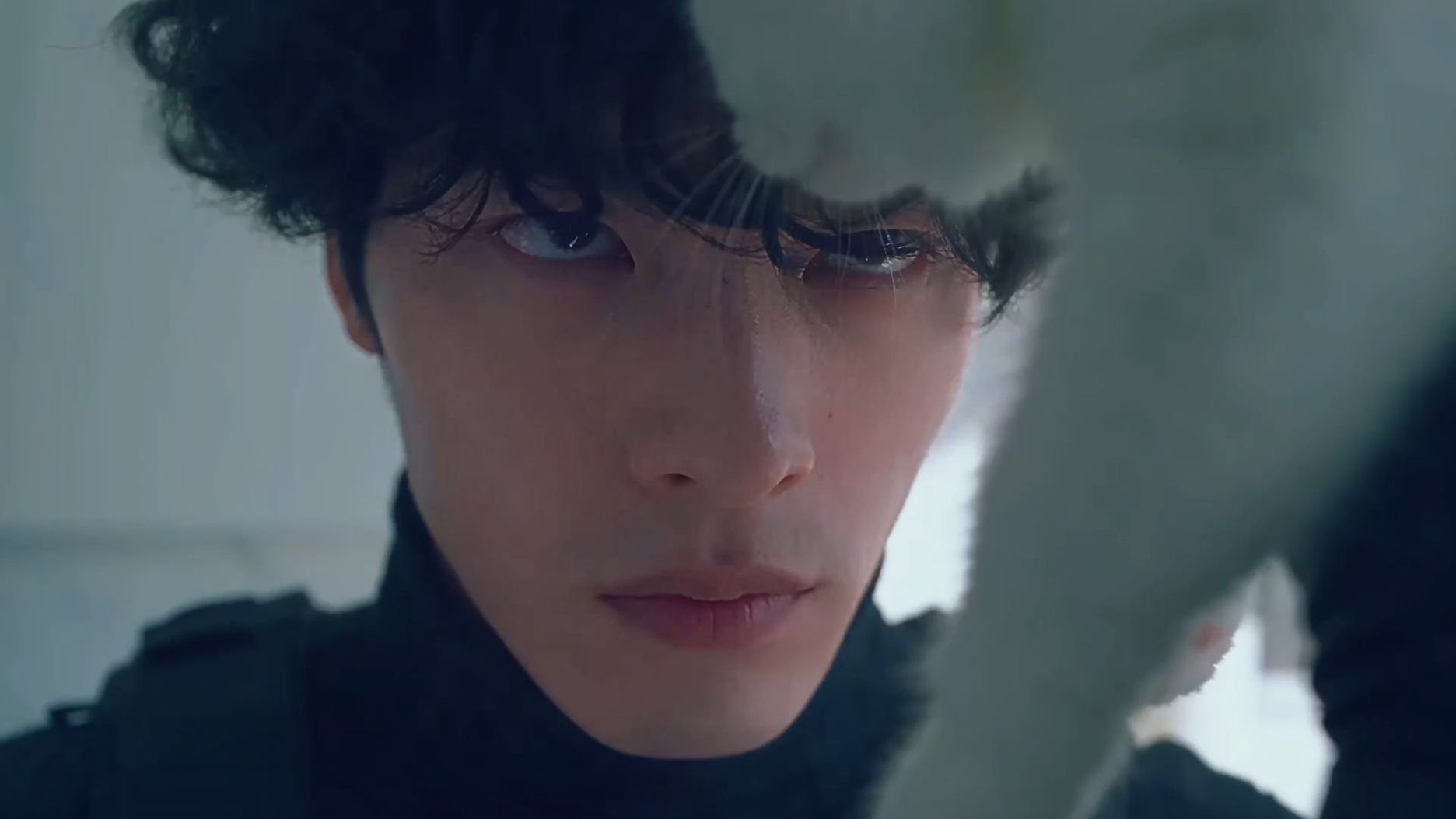
Version 1: Original
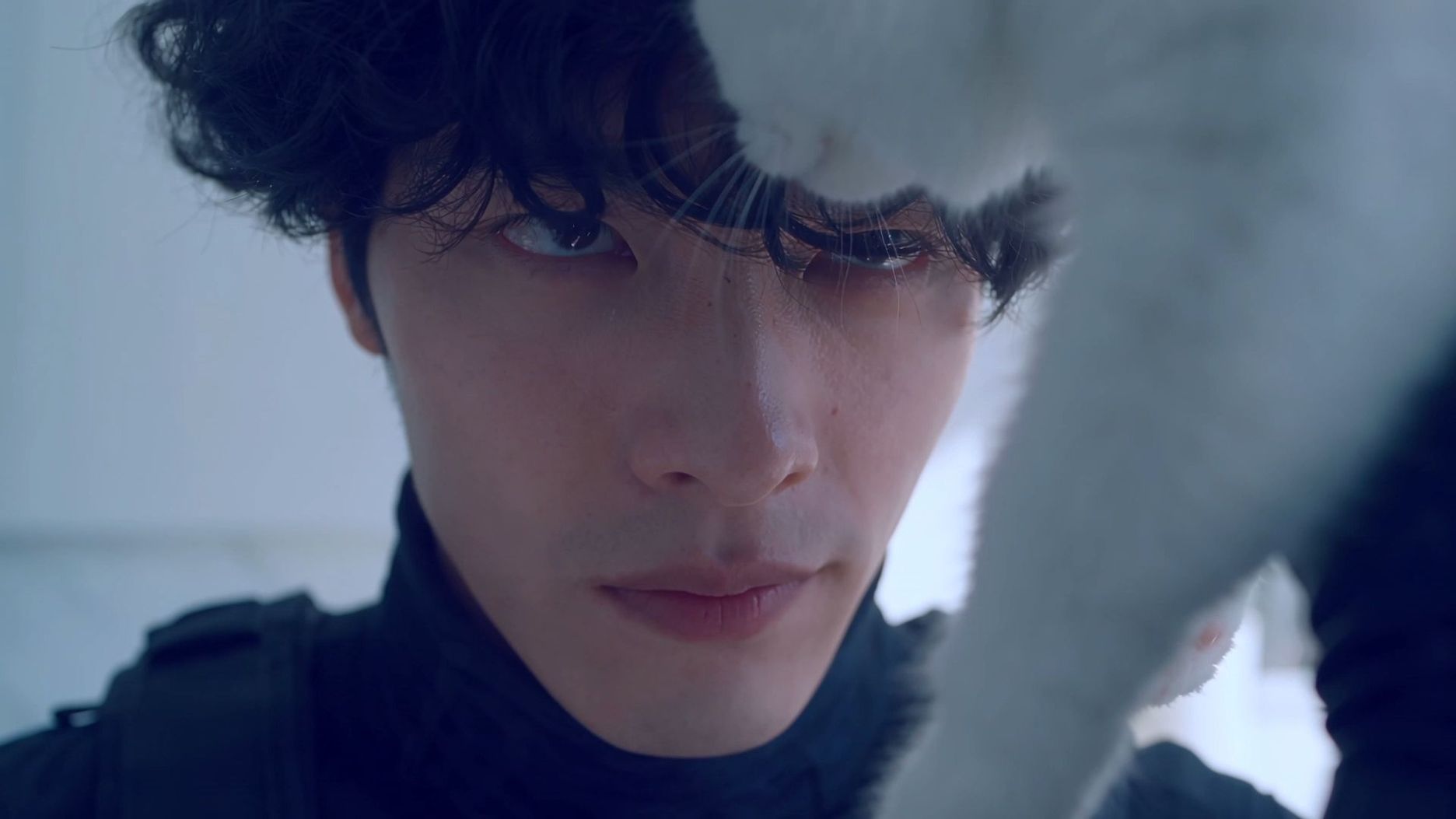
Version 1 with “the man suddenly smiles” added to the prompt
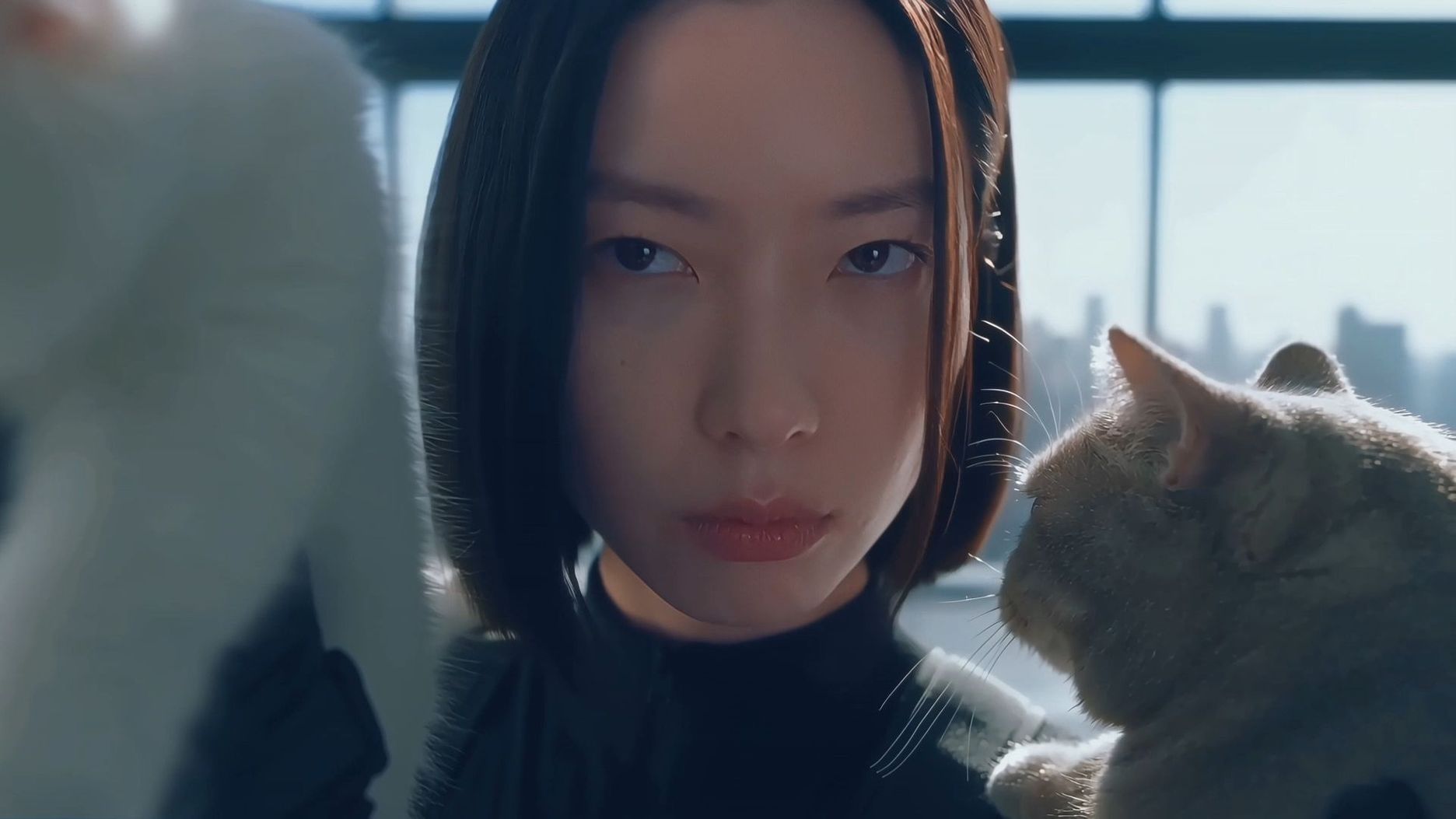
Version 1 with “the woman remains still” added to the prompt
Generation in multiple languages is likewise already a fundamental capability and hardly needs further explanation. The demo below also highlights another detail: even when the scene changes, the model can maintain narrative continuity and preserve context across shots.

Looking Ahead
Kling has always been my first choice for dialogue-driven scenes. Its strengths in character performance, cinematic expression, and nuanced emotion are unmistakable.
Now, Kling 4.0 has filled the gap in dynamic motions, making it undeniably compelling for creators. Kling 4.0 was truly worth the wait. As a creator, I could not be happier to work with it.