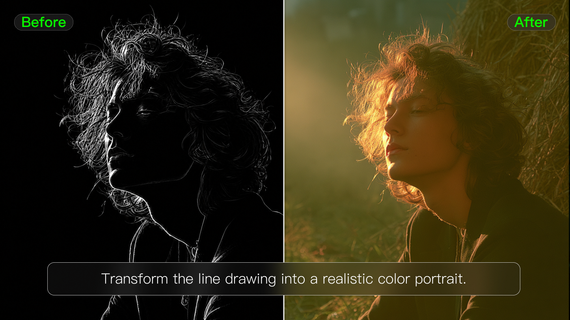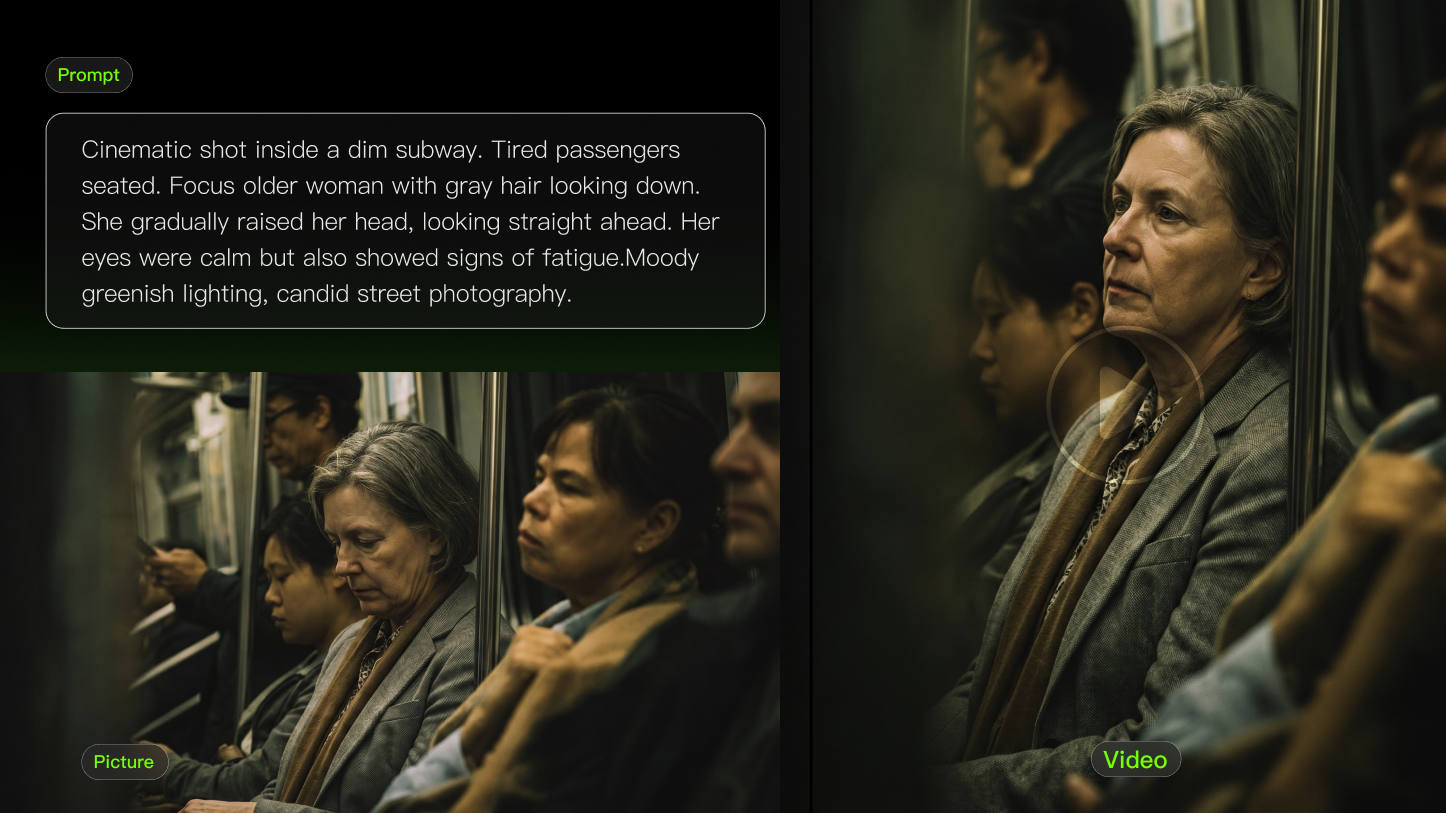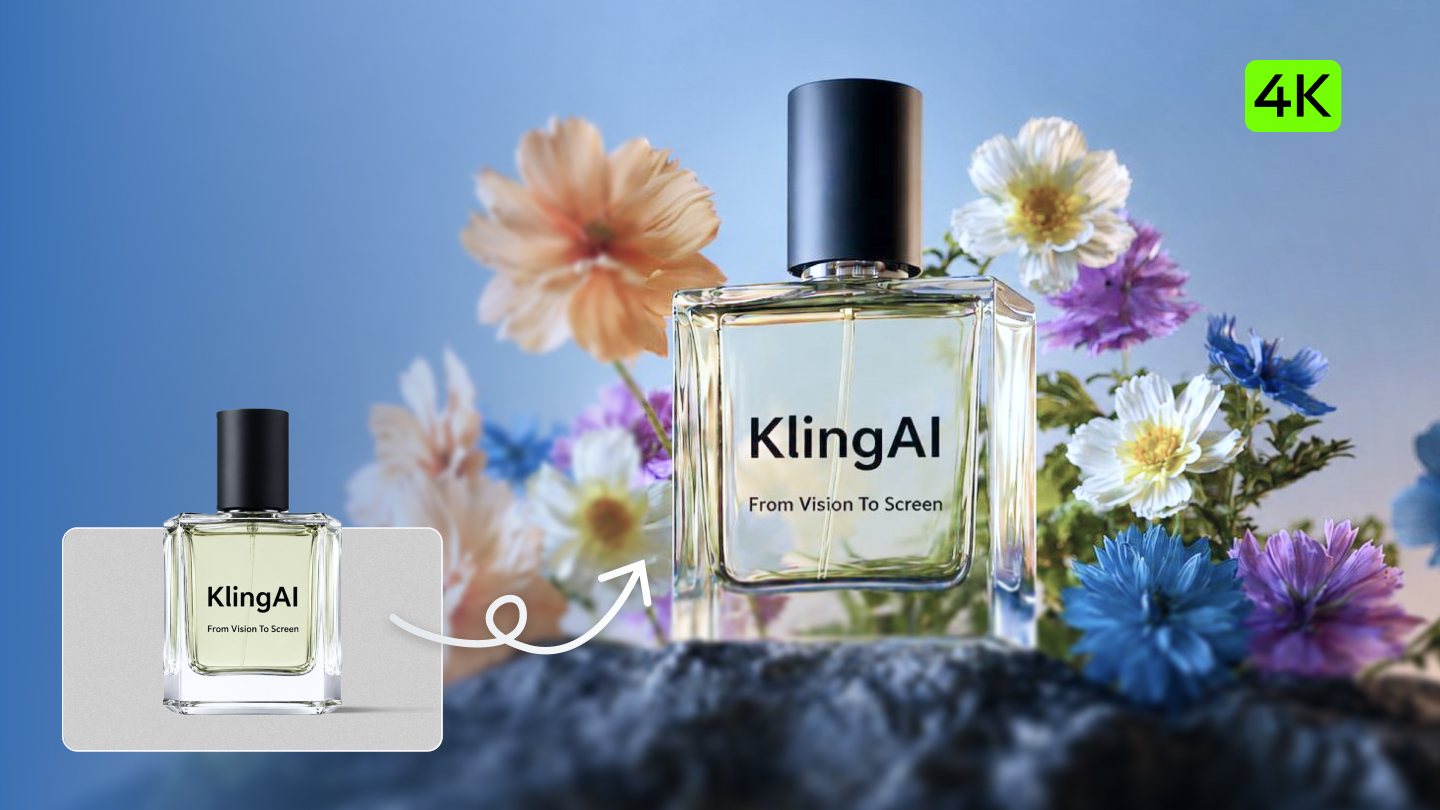
High-fidelity product visuals redefine how modern consumers interact with digital stores. Clear motion builds trust instantly between brands and shoppers. With the advent of advanced creative studios, professional quality no longer requires massive budgets. Every retailer can now leverage cinematic resolution to drive growth and reduce uncertainty across every sales channel.
The Power Of Native 4K Video Generation
Resolution is a defining factor in the perceived quality of digital content. In the past, many AI tools relied on upscaling to reach higher resolutions. Upscaling involves generating a low-resolution image and then using algorithms to guess the missing pixels. While the technique can improve clarity, it often introduces artifacts, blurring, or a "soapy" look that lacks true detail. Native 4K generation is fundamentally different because the model creates the image at 3840 by 2160 pixels from the very first frame. There is no enhancement pass or reconstruction from a lower base. The result is a level of sharpness and texture fidelity that matches professional cinematic standards.
The Kling 3.0 model series represents a major leap in this specific technology. It uses a fully upgraded architecture designed for high-end multimodal content creation. The system can parse complex instructions across different media types, allowing for precise control over the final output. Native 4K mode in Kling AI is built for advertising and commercial production where turnaround windows are tight, but quality is non-negotiable. By generating every pixel natively, the model preserves intricate details like skin texture, fabric weave, and fine metallic reflections.
Generation Method | Technical Process | Visual Result |
Traditional Upscaling | Chained models/post-processing | Artificial smoothing/artifacts |
Native 4K AI | Single-pass generation | Cinema-grade clarity |
Choosing native 4K provides higher fidelity for professional-grade productions. It eliminates the need for a render farm or extra plug-in subscriptions. For e-commerce brands, the capability means that a single person can produce content that previously required a whole production house. The technical specifications of the 3.0 series include support for up to sixty frames per second, which can help produce smoother motion compared with lower frame rates. Smooth motion at high resolution makes product demos look professional and realistic. With clear prompts and suitable reference images, Kling AI can improve visual consistency across shots.
Technical Foundations Of The Kling AI Creative Studio
The platform operates as a next-generation AI creative studio designed for high-end multimodal tasks. At the heart of the system is the Kling 3.0 series, which redefines narrative logic through the integration of light and sound elements. The architecture is built to handle complex multi-scene transitions while maintaining exceptional consistency in vocal tone and visual identity. For developers and businesses, the API platform provides a way to integrate these powerful capabilities into existing workflows, facilitating rapid scale and deployment.
Kling AI offers several distinct tools to support the creative process. The image generation tool allows for the creation of the initial product stills that serve as the foundation for videos. The video generation tool then animates those stills using advanced temporal consistency algorithms. These algorithms help the motion remain fluid and visually coherent, avoiding the jarring jumps that often plague lower-quality AI video. The system also includes native audio capabilities, producing sound effects and speech alongside the visuals for a truly immersive experience.
Workflow For 4K E-commerce Product Video Production
Start with a clear goal for the video, including the product feature or lifestyle scene you want to highlight. Choose the aspect ratio for your target platform, such as 9:16 for TikTok and Instagram Reels or 16:9 for YouTube and websites.
Use a clear, well-lit product image as your source. JPG, JPEG, and PNG files up to 10 MB are supported. You can also create the base image with Kling IMAGE 3.0 Omni to keep the visual style consistent.
For repeat campaigns, save strong reference images and successful prompts so future product videos can follow the same visual direction.
Step 1: Select the High-Resolution Source Image
Start by choosing a strong product image for the image-to-video workflow. This hero frame sets the look of the video, including the lighting, color, and texture, so it should be clear and well lit.
If you do not already have a suitable image, you can generate one with Kling Image 3.0 Omni before turning it into a video. For multi-shot or repeat campaigns, keep the visual direction consistent by reusing strong reference images and approved prompts.
A clean and sharp starting image provides the AI with a solid foundation for realistic motion. By focusing on quality at the very beginning, the user avoids time-consuming corrections later in the process.
Step 2: Configure Video Generation Settings
Once the source image is ready, open the video generation interface and choose the Kling VIDEO 3.0 model. Set the clip duration and aspect ratio based on where the video will be used. Short clips work well for product reveals and social media ads, while longer videos give you more room for product demonstrations or storytelling.
For e-commerce content, choose an aspect ratio that fits the target platform, such as 9:16 for vertical social content or 16:9 for websites and YouTube. Kling VIDEO 3.0 supports videos up to 15 seconds, giving you flexibility to create anything from a quick product shot to a more developed sequence.
Setting | Selection for 4K Product Video |
Model Version | Kling VIDEO 3.0 |
Aspect Ratio | 16:9 for web or 9:16 for vertical content |
Clip Duration | 5s to 10s (recommended) |
Output Quality | Select 4K for the final high-resolution video |
If your workflow supports native audio, you can also generate dialogue, sound effects, or ambient sound with the video. Once the generation is complete, select the appropriate output quality, including 4K when you need a higher-resolution final asset.
Step 3: Master The Art Of Motion Prompting
Prompting for video is different from prompting for images because it requires a description of change over time. A strong motion prompt follows a clear structure: Subject + Action + Environment + Camera Language. Instead of just saying "a watch," a professional prompt might be: "A luxury watch sits on a dark velvet cushion. The camera slowly orbits the product, highlighting the polished silver finish under soft, warm spotlights." This provides the AI with specific instructions for both the product and the viewer's perspective.
Kling AI's strength lies in its understanding of real-world physics and camera movements. Using technical terms like "Pan," "Tilt," "Dolly In," or "Orbit" helps the model produce predictable and cinematic results. For product ads, a "Slow Dolly In" is effective for building intimacy and focusing on fine details. A "Smooth Orbit" provides a comprehensive view of the item from all sides.
Camera Move | Description | E-commerce Application |
Pan | Horizontal sweep | Showing product in a lifestyle setting |
Tilt | Vertical movement | Highlighting the height of a product |
Dolly In | Moving closer | Focusing on a logo or texture |
Orbit | Circular move | 360-degree product showcase |
Static Shot | No camera move | Focusing on liquid or fabric motion |
Avoid using conversational language with the AI. Short, descriptive sentences or lists of keywords tend to work better. If the motion feels too fast or jerky, adding words like "subtle," "graceful," or "slow motion" can stabilize the output. Through directing the camera and the subject with precision, the user creates a video that feels intentional and high-budget.
Step 4: Utilize The Element Library For Consistency
Brand consistency is a major hurdle in AI generation. If a product looks different from one shot to the next, it destroys trust. The Element Library is the specific solution for this problem. It allows users to upload multiple reference images of a single subject, such as a product or a model, so the AI "remembers" the visual identity. By providing front, three-quarter, and side views, the user anchors the features of the object across every frame.
To use an element in a video, the user uploads the reference kit and addresses it in the prompt using the "@" symbol. For example, "@Product1" tells the model to use the specific textures and shapes defined in the uploaded library. This technique is crucial for multi-shot ads where the same item appears in different environments. It prevents the AI from hallucinating changes to the product's design or label.
Reference View | Purpose |
Front View | Defines the main logo and face of the product |
Side View | Establishes the profile and depth |
Three-Quarter | Helps the AI understand 3D volume |
Detail Macro | Maintains specific textures or small text |
The library supports both image and video references. For complex actions, a short reference video can "force" the AI to mimic specific movements perfectly. This level of control is what separates professional marketing content from simple experiments. By locking the look once, a brand can reuse the same assets across hundreds of different clips, building a cohesive visual language for their store.
Step 5: Refining With Start And End Frame Control
For videos that require a very specific transition, the platform supports the use of both a start and an end frame. This "Alpha" feature allows the user to define the exact point where the video begins and where it ends. It is especially useful for "before and after" shots or for showing a product being assembled or used. By providing both frames, the user removes the guesswork for the AI, resulting in a more controlled and meaningful animation.
When using this mode, both images must share the same aspect ratio and lighting to ensure a smooth transition. The model uses advanced interpolation to generate the in-between frames, maintaining consistency throughout the move. This method provides the highest level of predictability for professional workflows. It allows for the creation of seamless loops or specific reveals that align with a brand's storytelling goals.
Frame Type | Function in Transition |
Start Frame | Sets the initial scene and product state |
End Frame | Defines the destination or final pose |
Interpolation | Generates fluid motion between states |
If an end frame is not provided, the motion becomes free-form based on the prompt. For most simple product reveals, a start frame is sufficient. However, for complex ads where the product must end up in a specific position for a logo overlay, the dual-frame approach is superior. Through using these anchors, the user directs the AI with the precision of a professional film editor.
Step Six: Generating And Reviewing The 4K Output
After setting the parameters and writing the prompt, the final step is to click the generate button. Rendering a native 4K clip is a computationally intensive task. A five-second clip at high quality usually takes about two minutes, while a full fifteen-second multi-shot storyboard can take over five minutes. During peak hours, some users may experience queuing times, so planning for these windows is a good idea for professional teams.
Once the video is ready, a thorough review is necessary before publication. The user should check for visual stability and artifact detection. Scanning for issues like ghosting, edge tears, or warped textures helps maintain a professional standard. If a specific region has a problem, a micro-re-render of that area can sometimes fix it without losing the entire clip. It is helpful to view the output on both desktop and mobile screens to verify that the quality holds up across different devices.
Quality Check | What to Look For |
Motion Smoothness | No sudden jumps or "AI stutter." |
Subject Identity | The product looks the same from start to finish |
Texture Detail | 4K clarity is visible in fine surfaces |
Artifacts | No shimmering or distorted edges |
If the result is not perfect, the user can adjust the prompt or the seed and try again. AI generation is an iterative process. Minor changes in wording can lead to significant improvements in motion quality. Through testing different camera speeds and lighting tokens, a creator finds the ideal settings for their specific product. Once a "golden sample" is produced, it can be downloaded in high bitrate for final delivery to the store or social media platforms.
4K Output | |
|---|---|
  |  |
The "AI Director" for Multi-Shot Storytelling
A major advancement in the Kling 3.0 series allows for the generation of up to six distinct shots within a single 15-second video file. Instead of creating separate clips and stitching them together in an external editor, the model handles the transitions and narrative logic automatically. Each shot can have its own duration, camera angle, and content while maintaining the same environment and characters.
For e-commerce, this is a game-changer. A brand can create a complete product "story" in one pass. For instance, Shot One could be a wide view of a person wearing a backpack. Shot Two could be a medium shot of them walking through a forest. Shot Three could be a macro close-up of the waterproof fabric. Shot Four could show the person opening a pocket. The AI maintains the identity of the backpack and the model across all these cuts, providing a professional and cohesive advertisement.
Shot Number | Shot Size | Camera Move | Narrative Goal |
1 | Wide | Pan | Set the scene/lifestyle |
2 | Medium | Dolly In | Introduce the product |
3 | Close-up | Static | Show material quality |
4 | Extreme CU | Orbit | Highlight a specific feature |
By using a list of prompts, the user defines the sequence of events. The model manages the "spatial continuity," meaning it understands where objects are in 3D space even when the camera cuts. This reduces the workload for marketing teams and allows for the rapid production of complex content. The ability to create cinematic sequences with a single click represents the future of digital advertising.
Enhancing Product Ads With Native Audio Integration
Sound is often the forgotten element of digital retail, yet it has a massive impact on consumer perception. Kling 3.0 is a unified multimodal model, meaning it generates audio and video within a single architecture. This allows for native lip-sync and the synchronization of physical actions with sound effects. For a product video, this could include the sound of a soda can opening, the rustle of fabric, or a professional voiceover explaining a feature.
The system supports five major languages: English, Chinese, Japanese, Korean, and Spanish. It can even handle different regional accents, allowing a brand to tailor their ads for local markets. High-quality audio production ensures that the message is not just seen but also retained by the audience. When visuals and sound work together, they engage the viewer on a deeper emotional level, increasing the likelihood of a purchase.
Audio Type | Benefit for E-commerce |
Synchronized SFX | Adds realism to product interactions |
Native Voiceover | Explains complex features clearly |
Lip-Sync | Makes human models feel authentic |
Ambient Music | Sets the emotional tone of the brand |
Using native audio saves time in post-production. Instead of searching for stock sounds or hiring a voice actor, a creator can describe the desired audio in the same prompt as the video. The result is a polished, professional asset that is ready for deployment. For brands selling global products, the ability to generate multilingual content with consistent vocal tones is a significant competitive advantage.
Optimizing 4K Video For Search And Social Discovery
Creating a high-quality video is only half the battle; it must also be found by the right audience. Videos significantly improve SEO performance because they increase the average time a user spends on a page. Pages with video are fifty-three times more likely to reach the first page of Google search results. To maximize this benefit, it is important to use detailed descriptions, titles, and metadata for every video file.
On social media, the 4K resolution helps the content stand out in a crowded feed. High-quality visuals are more likely to be shared, which creates additional opportunities for backlinks and organic reach. Vertical videos are particularly effective on mobile platforms, yielding one-hundred-thirty percent higher engagement rates compared to horizontal formats. By using the correct aspect ratio and the highest resolution, a brand verifies that its content looks professional on every platform.
Platform | Best Format | Engagement Hook |
TikTok/Instagram | 9:16 Vertical | 4K clarity in the first 3 seconds |
YouTube | 16:9 Widescreen | Detailed product demonstrations |
Brand Website | 16:9 or 1:1 | High-res zoom and material detail |
Facebook Feed | 1:1 Square | Real-world usage and testimonials |
Including a clear call to action at the end of the video is another best practice. Even a simple reminder to "Shop Now" or "Learn More" can move the momentum of a purchasing decision forward. Since videos are often viewed away from the main product page, including a link or a brand watermark is essential for guiding customers back to the checkout. Through optimizing both the technical quality and the distribution strategy, a brand ensures that its 4K product video AI investment delivers a high return.
4K Output | |
|---|---|
 |  |
The Economic Advantage of AI-Generated Content
The transition to AI video generation offers a massive reduction in operational costs. Traditional product shoots can cost thousands of dollars per day and require weeks of planning and editing. In contrast, an AI-generated 4K clip costs a fraction of that, with a five-second 4K video priced at roughly two dollars. This allows brands to create a much higher volume of content, testing different styles, lighting conditions, and narratives to see what resonates best with their audience.
The speed of AI production also allows for "real-time" marketing. If a new trend emerges on social media, a brand can generate a professional 4K ad in minutes rather than days. This agility is vital in the fast-paced world of e-commerce. Furthermore, the ability to repurpose a single product image into multiple videos for different platforms maximizes the value of every creative asset. Marketing teams can cut paid ad costs by using high-performing AI video instead of expensive traditional footage.
Production Method | Cost per Clip | Time to Delivery | Flexibility |
Professional Studio | $500 - $5,000+ | Days to Weeks | Low |
AI Generation (4K) | $0.42 - $4.20 | Minutes | High |
Reducing return rates and increasing conversion rates directly impact the profitability of an online store. When these benefits are combined with the low cost of production, the ROI of the 4K product video AI becomes undeniable. It levels the playing field, allowing smaller retailers to present their products with the same level of polish as luxury brands. The economic shift toward generative content is permanent, as businesses of all sizes realize the efficiency and power of these tools.
Product Imagery In Digital Retail
The digital marketplace has undergone a radical transformation since the early days of simple text descriptions. Initial internet shopping relied on basic photographs that often failed to capture the true essence of a physical item. As connection speeds improved, static images became larger and clearer, yet a gap remained between the screen and the physical experience. Shoppers often feel a sense of hesitation when they cannot touch or examine a product from multiple angles. The introduction of video content started to bridge the gap, providing a dynamic view of how products move and behave in the real world.
Professional videography used to be a luxury reserved for massive corporations with significant marketing budgets. Such traditional methods required expensive cameras, lighting rigs, specialized crews, and lengthy post-production cycles. The high cost meant that smaller brands were often stuck with static photos, which limited their ability to compete on a global scale. Modern technology has democratized the field through the introduction of generative models. These systems allow for the creation of high-end visuals at a fraction of the cost and time. The arrival of native 4K resolution in AI video generation marks a pivotal moment in the history of e-commerce. It allows brands to produce content that is indistinguishable from professional studio shoots, fostering a level of professionalism that was previously unattainable for many.
The move toward higher resolutions like 4K is driven by the increasing quality of consumer displays. Modern smartphones and computers feature screens that can show incredible detail. When a brand provides low-resolution or blurry video, it creates a negative impression that can drive potential customers away. In contrast, sharp and detailed 4K content signals quality and reliability. The visual fidelity helps customers see the texture of fabrics, the glint of jewelry, or the precise finish of electronics. Such clarity reduces the psychological barrier to purchase, as the customer feels they have a complete understanding of what they are buying. Through the use of advanced tools, the path to creating such content has become straightforward and accessible to anyone with a computer.
Historical Stage | Primary Visual Format | Level of Consumer Trust |
Early E-commerce | Text and low-res icons | Low |
Web 2.0 Era | High-res static photos | Moderate |
Social Media Peak | Short-form video (720p) | High |
Current Era | Native 4K AI Video | Ultra-High |
Why High Resolution Motion Drives Conversion Rates
The impact of high-quality video on sales performance is supported by extensive data across various industries. Modern retailers find that adding video to product pages can result in a sixty-five percent increase in conversion rates compared to using images alone. The primary reason for the lift is the reduction of uncertainty. When shoppers see a product in action, they gain a better sense of scale, proportion, and functionality. Static images can be misleading or fail to show how a garment hangs on a body or how a tool operates. Video provides a fluid, three-hundred-sixty-degree view that replicates the experience of visiting a brick-and-mortar store.
Engagement metrics also see a significant boost when video is present. Search engines prioritize pages that keep users engaged for longer periods. Statistics show that people spend eighty-eight percent more time on websites that feature video content. Longer dwell times signal to algorithms that the content is valuable, which can improve search rankings and drive more organic traffic to the store. Furthermore, ninety-five percent of marketers consider video a crucial part of their strategy, an all-time high that reflects the proven return on investment. The ability to hold a customer's attention in a crowded digital landscape is a major competitive advantage.
Performance Metric | Video Content Impact |
Conversion Rate | 65% Increase |
Time on Page | 88% Increase |
Add to Cart Rate | 144% Higher |
Purchase Influence | 81% of buyers |
The reduction of return rates is another critical benefit of high-resolution product videos. One of the biggest challenges for fashion retailers is the high volume of returns, often reaching twenty-four percent. Many returns happen because the item looked different in person compared to the online photo. High-fidelity 4K video manages expectations by showing the true texture and movement of the product. Retailers who implement video on their detail pages report a reduction in return rates by twelve to eighteen percent within six months. This saving in logistics and restocking costs directly improves the bottom line. Through providing a realistic user experience, brands build long-term loyalty and trust with their audience.
Mastering Your 4K Product Strategy
Professional video content is no longer an optional luxury for e-commerce brands. High-resolution visuals build trust and drive significant growth in modern digital marketplaces. Through using the native 4K capabilities of Kling AI, any retailer can create cinematic product showcases that previously required massive budgets. The process is straightforward, from selecting a source image to directing the camera with precise prompts.